
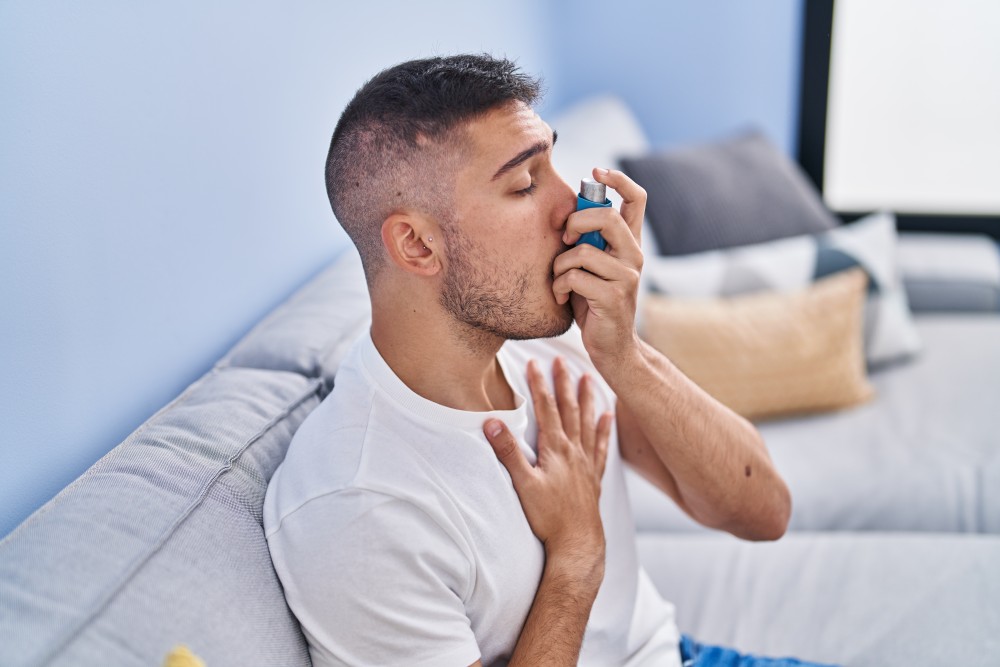
For many adults, winter is more than just a season of snow and holidays; it is a season of respiratory struggle. If you live with asthma, you may notice that as the temperature drops, your chest tightens. This isn’t a coincidence. Cold, dry air is a powerful trigger that can turn a well-managed condition into a daily battle.
Why Winter Triggers Asthma
There are two primary reasons why winter is particularly harsh on adult lungs:
- Cold, Dry Air: Cold air contains less moisture than warm air. When you breathe it in, it dries out the protective mucus lining your airways, causing them to swell and narrow (bronchospasm).
- Increase in Viral Load: Winter is peak season for colds and the flu. In adults, these viral infections are the leading cause of severe asthma exacerbations.
Strategies for Managing Winter Flare-Ups
To keep your breathing steady when the mercury dips, consider these proactive steps:
1. The “Scarf Shield”
Before stepping outside, wrap a scarf loosely over your nose and mouth. This creates a small pocket of warm, moist air for you to inhale, preventing the “cold shock” to your bronchial tubes.
2. Breathe Through Your Nose
Your nasal passages act as a natural filtration and heating system. Breathing through your nose warms the air before it reaches your lungs, whereas mouth-breathing delivers cold air directly to your airways.
3. Indoor Humidity Control
While outdoor air is dry, indoor heating systems also strip moisture from the air. Using a humidifier can help keep your airways hydrated, but be sure to clean it regularly to prevent mold—another common asthma trigger.
4. Review Your Action Plan
Ensure your “controller” inhaler (long-term medication) is being used exactly as prescribed. Do not wait for symptoms to appear before starting your daily maintenance routine.
Knowing When It’s an Emergency
It is vital for every adult with asthma to know the difference between a minor flare-up and a life-threatening situation.
Seek Urgent Care or Emergency Services immediately if:
- Your rescue inhaler does not provide relief for more than 2-3 hours.
- You are struggling to speak in full sentences.
- Your fingernails or lips are turning blue or gray (cyanosis).
- You experience “retractions,” where the skin sucks in around your ribs or neck when you breathe.
- You feel a sense of panic or extreme exhaustion from the effort of breathing.
Conclusion
Winter doesn’t have to mean a season of confinement. By understanding how cold air affects your physiology and taking steps to pre-warm the air you breathe, you can maintain an active lifestyle. However, never ignore the warning signs of an exacerbation. Early intervention at an urgent care facility can prevent a minor flare-up from becoming a major hospital stay.
Frequently Asked Questions (FAQs)
1. Why does my asthma feel worse at night during the winter?
Body temperatures naturally drop at night, and reclining can cause mucus to pool in the airways. Additionally, winter bedding often harbors dust mites, a common indoor trigger.
2. Can I still exercise outdoors in the cold?
Yes, but with caution. Warm up indoors for 15 minutes first, wear a mask or scarf, and keep your rescue inhaler on you at all times. If the temperature is below freezing, consider moving your workout indoors.
3. Does the flu shot help with asthma?
Absolutely. Since viral infections are a major trigger for asthma attacks, getting vaccinated against the flu and COVID-19 is a key part of an asthma management plan.
4. Is a “flare-up” the same as an “attack”?
A flare-up is a period where symptoms like coughing or wheezing increase in frequency. An “attack” usually refers to an acute, sudden episode that requires immediate use of a rescue inhaler.
5. Should I use my rescue inhaler before going outside?
Many doctors recommend taking a preventive puff of your rescue inhaler 15–30 minutes before cold exposure. Consult with your healthcare provider to see if this is right for you.
If you are struggling to manage your asthma symptoms this winter or need an immediate evaluation for a persistent cough, we are here to help. Visit our website at https://sccmidland.com/illness/ to view our current wait times and check in online. Our adult urgent care center is equipped to provide rapid nebulizer treatments and diagnostic care to help you breathe easy again.