
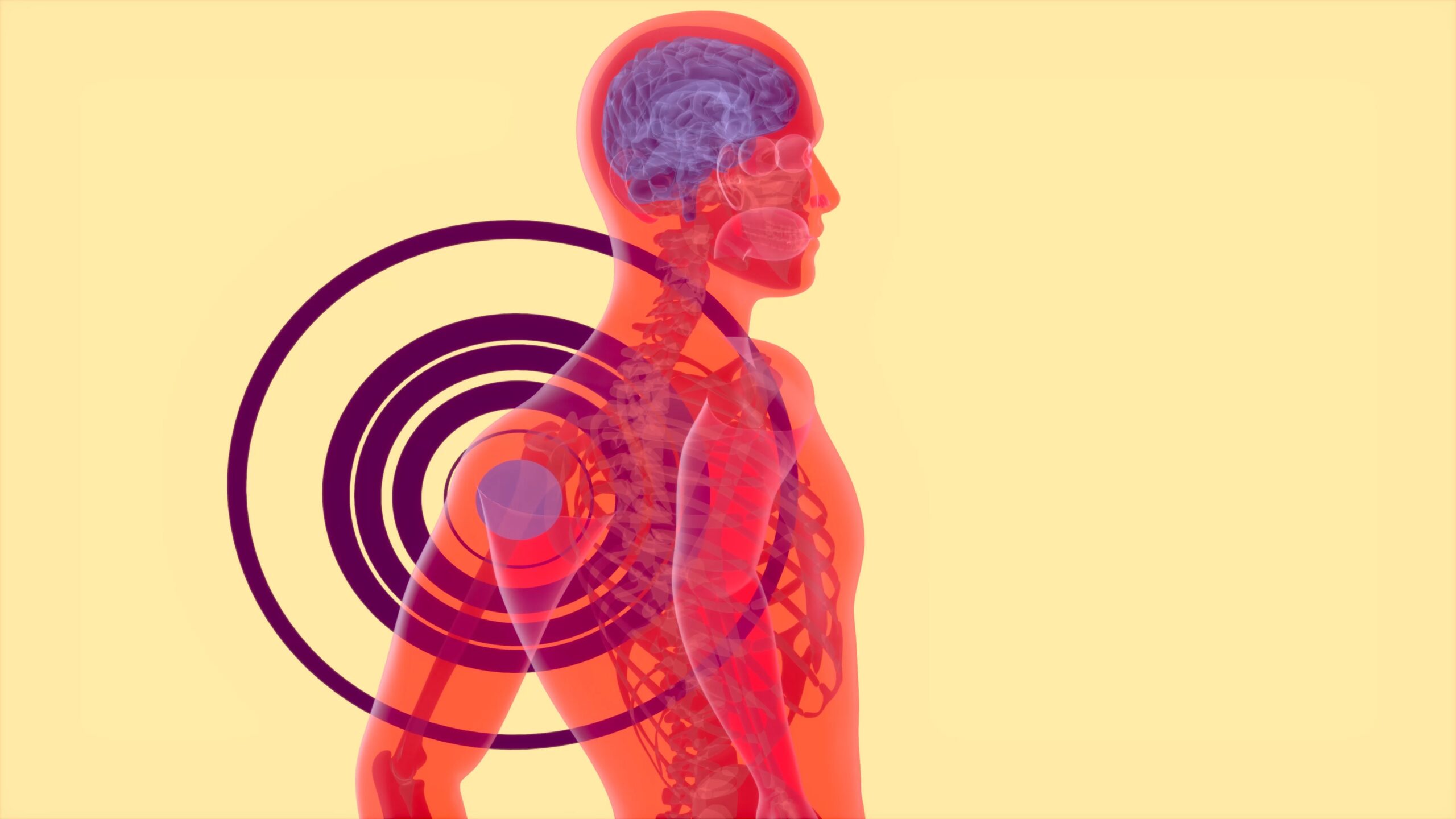
Neuropathic pain is a complex condition caused by damage or dysfunction in the nervous system. Unlike typical pain from injury or inflammation, chronic nerve pain often feels like burning, tingling, shooting, or electric shock–like sensations. It can result from diabetes, spinal injuries, infections, chemotherapy, or conditions such as sciatica and multiple sclerosis. Because of its persistent nature, effective neuropathic pain management requires a comprehensive and personalized approach.
Causes and Symptoms of Chronic Nerve Pain
The causes of neuropathic pain vary widely, but they all involve nerve damage or irritation. Common triggers include diabetic neuropathy, herniated discs, trauma, and post-surgical nerve injury. Symptoms may include numbness, sensitivity to touch, muscle weakness, and ongoing discomfort that interferes with daily life. Early diagnosis is essential to begin the right nerve pain treatment plan and prevent symptoms from worsening.
Medical Treatments for Neuropathic Pain Relief
Medical therapy is often the foundation of neuropathic pain relief. Doctors may prescribe medications such as anticonvulsants, antidepressants, or topical agents that specifically target nerve-related pain signals. In some cases, opioids may be considered under strict supervision. These treatments aim to reduce pain intensity, improve nerve function, and enhance overall quality of life. A specialized pain management clinic can tailor medications based on the patient’s condition, tolerance, and response.
Interventional Pain Management Options
When medications alone are not sufficient, interventional procedures may be recommended. These include nerve blocks, epidural steroid injections, radiofrequency ablation, and spinal cord stimulation. Such advanced pain management techniques work by disrupting pain signals before they reach the brain. Interventional therapies are often performed at a pain management clinic and can provide significant relief for patients with severe or treatment-resistant chronic nerve pain.
Neuropathy Treatment Through Physical and Lifestyle Therapies
Non-invasive approaches play an important role in long-term neuropathy treatment. Physical therapy helps improve strength, flexibility, and nerve function while reducing pressure on affected nerves. Lifestyle changes such as maintaining healthy blood sugar levels, following an anti-inflammatory diet, quitting smoking, and engaging in regular low-impact exercise can greatly enhance treatment outcomes. Stress management techniques like yoga and meditation may also support neuropathic pain management.
The Role of a Pain Management Clinic
A dedicated pain management clinic offers a multidisciplinary approach that combines medical, interventional, and rehabilitative care. Specialists work together to create individualized treatment plans focused on long-term relief rather than temporary fixes. With access to advanced diagnostics and therapies, pain management clinics are essential for patients dealing with chronic nerve pain that affects daily functioning.
Living Better With Effective Pain Management
While neuropathic pain can be challenging, modern pain management strategies offer hope. With the right combination of nerve pain treatment, lifestyle adjustments, and professional support, many patients experience meaningful improvements in comfort, mobility, and quality of life. Early intervention and consistent care are key to achieving lasting neuropathic pain relief.
Frequently Asked Questions (FAQs)
Q1: What is neuropathic pain management?
Neuropathic pain management involves medical, interventional, and lifestyle treatments designed to reduce pain caused by nerve damage or dysfunction.
Q2: What is the best nerve pain treatment?
The best nerve pain treatment depends on the cause and severity of the condition and may include medications, injections, physical therapy, or advanced procedures.
Q3: Can chronic nerve pain be cured?
While chronic nerve pain may not always be cured, proper neuropathy treatment can significantly reduce symptoms and improve daily life.
Q4: When should I visit a pain management clinic?
You should consider visiting a pain management clinic if your nerve pain persists, worsens, or does not respond to basic treatments.
Q5: Are lifestyle changes effective for neuropathic pain relief?
Yes, healthy lifestyle habits, stress management, and physical therapy can greatly support medical pain management and enhance long-term relief.
Take control of your pain with specialized neuropathic care. Visit our website https://sccmidland.com/ortho-and-spine/ and call us at (432) 218-7489 for help!