
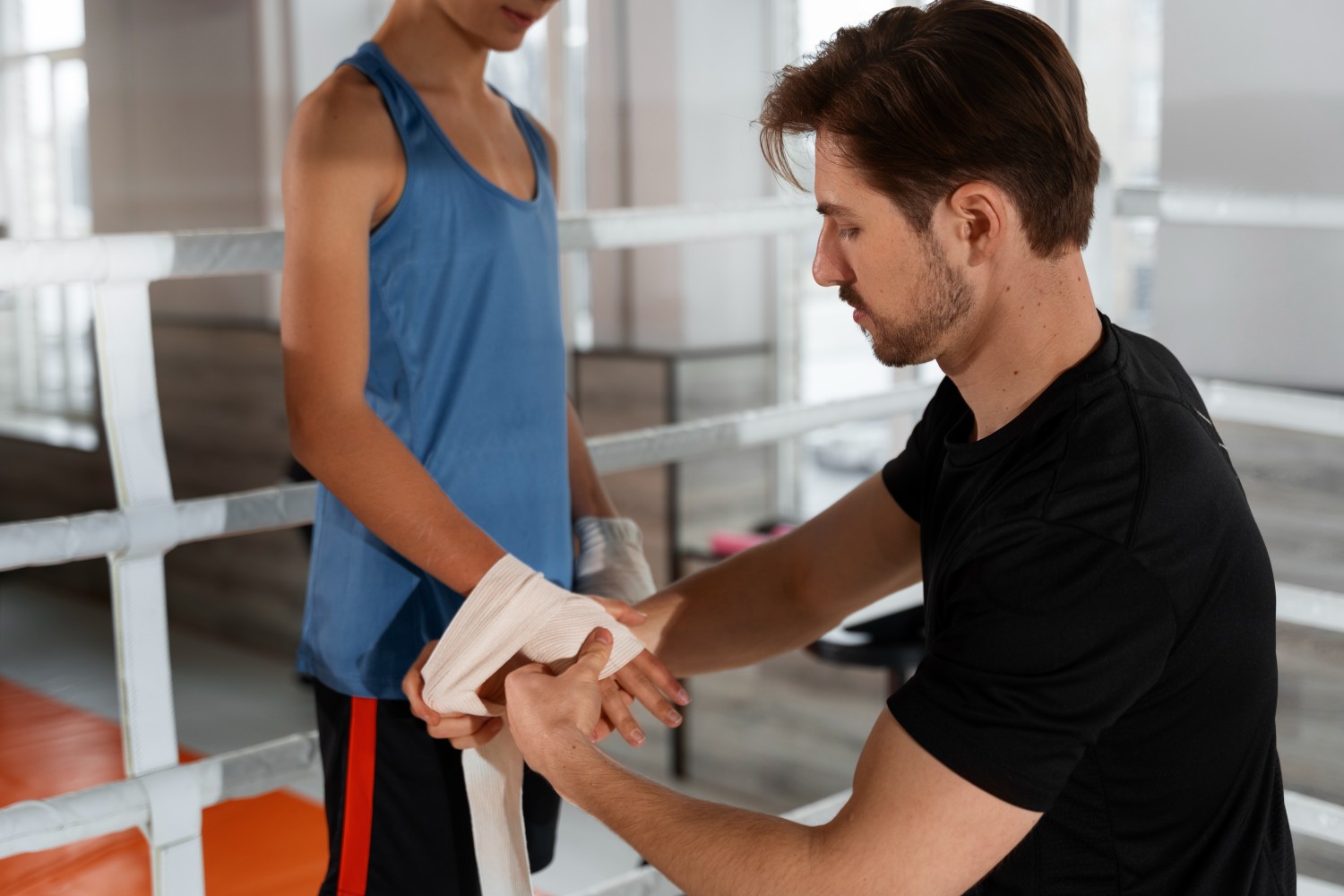
Sports injuries are common among athletes, fitness enthusiasts, and individuals who participate in recreational physical activities. Whether you are a professional athlete or someone who enjoys weekend sports, injuries can affect performance, mobility, and overall quality of life. Understanding the proper treatment for sports injuries is essential for achieving a full recovery and preventing long-term complications.
Understanding Sports Injuries
Sports injuries occur when excessive stress is placed on muscles, ligaments, tendons, bones, or joints during physical activity. These injuries can happen suddenly due to accidents or develop gradually because of overuse. Common sports injuries include sprains, strains, fractures, tendonitis, dislocations, shin splints, and ligament tears.
The severity of a sports injury can vary from mild discomfort to serious damage requiring surgical intervention. Early diagnosis and prompt treatment significantly improve recovery outcomes.
Common Types of Sports Injuries
1. Sprains
A sprain occurs when ligaments are stretched or torn. Ankle sprains are among the most common sports-related injuries and often result from sudden twisting movements.
2. Strains
Strains affect muscles or tendons and typically occur due to overstretching or excessive force. Hamstring strains and lower back strains are frequently seen in athletes.
3. Knee Injuries
Knee injuries such as ACL tears, meniscus tears, and patellar tendon injuries are common in sports involving jumping, pivoting, and rapid directional changes.
4. Shoulder Injuries
Athletes who participate in swimming, baseball, tennis, and weightlifting often experience shoulder injuries such as rotator cuff tears and shoulder impingement.
5. Fractures
Broken bones can occur due to falls, collisions, or high-impact activities. Immediate medical evaluation is crucial for proper healing.
Immediate First Aid for Sports Injuries
The first few hours following an injury are critical. Proper first aid can minimize swelling, reduce pain, and promote faster recovery.
The RICE Method
The RICE method remains one of the most effective initial treatments for many sports injuries:
- Rest: Avoid activities that aggravate the injury.
- Ice: Apply ice packs for 15-20 minutes every few hours to reduce inflammation.
- Compression: Use an elastic bandage to limit swelling.
- Elevation: Keep the injured area elevated above heart level whenever possible.
Following the RICE protocol during the first 24 to 48 hours can significantly reduce discomfort and tissue damage.
Medical Evaluation and Diagnosis
While minor injuries may heal with home care, persistent pain or severe symptoms require professional evaluation. Healthcare providers may use several diagnostic tools, including:
- Physical examination
- X-rays
- MRI scans
- CT scans
- Ultrasound imaging
Accurate diagnosis helps determine the most appropriate sports injury treatment plan and reduces the risk of complications.
Physical Therapy and Rehabilitation
Physical therapy is a cornerstone of sports injury recovery. A personalized rehabilitation program helps restore strength, flexibility, balance, and mobility.
Benefits of Physical Therapy
- Reduces pain and inflammation
- Improves range of motion
- Strengthens injured muscles
- Prevents future injuries
- Enhances athletic performance
Therapists use targeted exercises, stretching techniques, manual therapy, and functional training to support recovery and help athletes safely return to their sport.
Pain Management Strategies
Managing pain is an important component of sports injury treatment. Depending on the severity of the injury, healthcare providers may recommend:
1. Anti-Inflammatory Medications
Nonsteroidal anti-inflammatory drugs (NSAIDs) can help reduce pain and swelling.
2. Cold and Heat Therapy
Ice is generally recommended during the acute phase of injury, while heat therapy may be beneficial during later stages to improve circulation and flexibility.
3. Therapeutic Modalities
Modern rehabilitation programs may include:
- Ultrasound therapy
- Electrical stimulation
- Laser therapy
- Massage therapy
These treatments can accelerate healing and reduce discomfort.
Advanced Treatment Options
Some sports injuries require more advanced interventions when conservative treatments fail to provide adequate relief.
1. Platelet-Rich Plasma (PRP) Therapy
PRP therapy uses the patient’s own blood components to promote tissue healing and regeneration. It is commonly used for tendon injuries and ligament damage.
2. Corticosteroid Injections
In certain cases, corticosteroid injections may help reduce severe inflammation and pain.
3. Surgical Treatment
Severe injuries such as complete ligament tears, major fractures, or tendon ruptures may require surgery. Advances in minimally invasive surgical techniques have improved recovery times and outcomes for many athletes.
Nutrition for Faster Recovery
Proper nutrition plays a significant role in sports injury rehabilitation. The body requires essential nutrients to repair damaged tissues and reduce inflammation.
Key Nutrients for Recovery
- Protein: Supports muscle repair and growth.
- Vitamin C: Helps produce collagen for tissue healing.
- Vitamin D and Calcium: Promote bone strength and recovery.
- Omega-3 Fatty Acids: Help reduce inflammation.
Maintaining adequate hydration also supports circulation and recovery processes.
Preventing Future Sports Injuries
Prevention is just as important as treatment. Athletes can reduce injury risk by following these strategies:
1. Warm Up Properly
A dynamic warm-up prepares muscles and joints for activity and reduces injury risk.
2. Use Correct Technique
Proper sports mechanics improve performance and minimize strain on the body.
3. Strength Training
Balanced strength training supports joint stability and reduces vulnerability to injury.
4. Wear Appropriate Equipment
Using properly fitted footwear and protective gear can prevent many common injuries.
5. Allow Adequate Recovery
Overtraining increases injury risk. Rest days are essential for muscle recovery and performance improvement.
Returning to Sports Safely
One of the biggest mistakes athletes make is returning to activity too soon. Resuming sports before complete healing can lead to reinjury and prolonged recovery.
Before returning to competition or training, athletes should:
- Be pain-free
- Have full range of motion
- Regain normal strength
- Complete rehabilitation exercises successfully
- Receive medical clearance when necessary
A gradual return-to-play plan helps ensure long-term success and reduces the risk of setbacks.
Conclusion
Effective treatment for sports injuries involves a combination of immediate first aid, accurate diagnosis, rehabilitation, pain management, and preventive strategies. Early intervention and adherence to a structured recovery plan can help athletes regain function, restore confidence, and return to their favorite activities safely. Whether the injury is minor or severe, seeking appropriate medical care and following professional recommendations are key to achieving the best possible outcome.
Frequently Asked Questions (FAQs)
1. What is the best treatment for sports injuries?
The best treatment depends on the type and severity of the injury. Common approaches include rest, ice, compression, elevation (RICE), physical therapy, medications, and in some cases surgery.
2. How long does it take to recover from a sports injury?
Recovery time varies from a few days for minor strains to several months for severe ligament tears or fractures.
3. When should I see a doctor for a sports injury?
Seek medical attention if you experience severe pain, significant swelling, inability to bear weight, deformity, or symptoms that do not improve within a few days.
4. Can physical therapy help sports injuries?
Yes. Physical therapy is one of the most effective methods for restoring strength, flexibility, and function after a sports injury.
5. How can I prevent sports injuries?
Proper warm-ups, strength training, correct technique, appropriate equipment, hydration, and adequate rest can significantly reduce injury risk.
Experiencing a sports injury? Don’t let pain keep you off the field. Schedule a professional evaluation today and receive personalized treatment designed to help you recover faster, restore mobility, and return to peak performance safely.
✔ Expert diagnosis and treatment for sports injuries.
✔ Personalized rehabilitation programs for faster recovery.
✔ Advanced pain management and injury prevention strategies.
✔ Comprehensive care for athletes of all ages and skill levels.
Visit us https://sccmidland.com/pain-management/ today to learn more about our sports injury treatment services and start your recovery journey.
Contact us at (432) 218-7499 now to schedule an appointment and receive expert care tailored to your needs.