
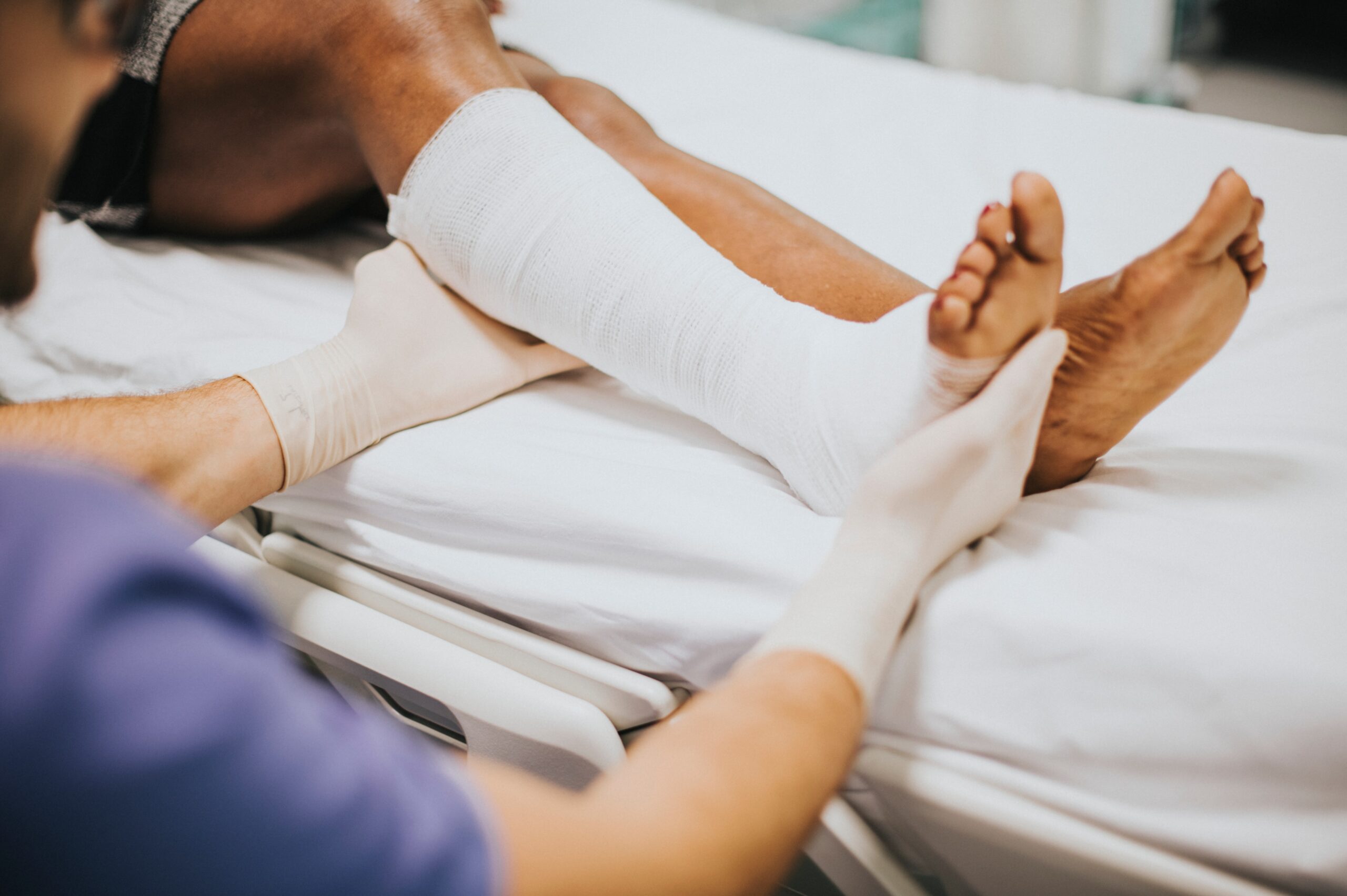
A fracture is a partial or complete break in a bone. Fractures can happen because of falls, sports injuries, workplace accidents, automobile accidents, or other types of trauma. Some fractures are obvious, while others may cause symptoms that initially resemble a severe sprain. Because an untreated or improperly treated fracture may heal incorrectly, prompt medical evaluation is important.
If you are looking for fracture treatment Midland TX, a healthcare provider can assess the injury, determine whether a bone is broken, and recommend the appropriate treatment. Diagnosis commonly involves a physical examination and imaging such as X-rays. In certain situations, additional imaging may be necessary.
Common Signs of a Fracture
Recognizing possible fracture symptoms can help you seek appropriate care quickly. Common signs include:
- Significant pain after an injury
- Swelling around the injured area
- Bruising or tenderness
- Difficulty moving the affected body part
- Inability to put weight on an injured leg or foot
- An unusual shape or visible deformity
- Reduced strength or function
- Numbness or discoloration in the fingers or toes
- An open wound near the injury
Not every fracture causes obvious deformity. For example, some small or stress-related fractures may cause persistent pain without a dramatic change in appearance. A healthcare professional can determine whether imaging is needed.
How Fractures Are Diagnosed in Midland TX
When you visit a medical provider for a suspected broken bone, the evaluation generally begins with questions about how the injury occurred and an examination of the affected area. Your provider may assess pain, swelling, movement, circulation, sensation, and other symptoms.
X-rays are commonly used to identify fractures and determine their location and severity. In some cases, CT or MRI imaging may be recommended when an injury is complex or a fracture is difficult to see on standard X-rays.
For patients searching for broken bone treatment Midland TX, choosing a facility capable of evaluating injuries and coordinating appropriate follow-up can make the recovery process more organized.
Types of Fractures
Fractures can vary significantly in severity and location. Common classifications include:
- Closed fracture: The bone is broken but does not penetrate the skin.
- Open fracture: The broken bone damages or penetrates the skin. This is a serious injury requiring immediate medical attention because of the risk of infection.
- Displaced fracture: The broken bone fragments are no longer properly aligned and may require reduction or surgical treatment.
- Comminuted fracture: The bone breaks into multiple pieces.
- Stress fracture: A small crack develops from repetitive stress or overuse rather than one major traumatic event.
The appropriate treatment depends on the type, location, stability, and severity of the fracture.
Fracture Treatment Options
Treatment for a broken bone is individualized. A minor, stable fracture may be managed without surgery, while a complicated or displaced fracture may require orthopedic intervention.
1. Splints and Braces
A splint may be used to stabilize an injured area and limit movement. Splints can also be useful during the early stage of an injury when swelling is present. Depending on the fracture, a brace, boot, or sling may also be recommended.
2. Casts
A cast can help keep fractured bones properly positioned while they heal. In some cases, a splint is used initially and a cast is applied after swelling decreases. Follow-up imaging may be recommended to ensure the bone remains properly aligned.
3. Reduction
If a fracture is displaced, the bone fragments may need to be returned to their appropriate position. This procedure is called reduction. Depending on the injury and pain level, medication or anesthesia may be used during the procedure.
4. Surgery
Some fractures require surgery to stabilize the bone. Depending on the injury, orthopedic surgeons may use plates, screws, rods, pins, or other fixation devices. Surgery may be considered when a fracture is unstable, severely displaced, involves a joint, or has other complications.
5. Rehabilitation
Recovery does not necessarily end when a cast or splint is removed. Stiffness, weakness, and reduced mobility can occur after immobilization. Depending on the injury, rehabilitation exercises or physical therapy may help restore movement, strength, flexibility, and function.
What to Do Immediately After a Suspected Fracture
Until professional medical care is available, avoid unnecessary movement of the injured area. Do not attempt to straighten a visibly deformed bone or push an exposed bone back beneath the skin.
If appropriate, the injured area can be kept still, and an ice pack wrapped in cloth may help reduce swelling. Ice should not be placed directly against the skin.
If the injury involves severe trauma, heavy bleeding, significant deformity, an exposed bone, numbness or blue discoloration of the fingers or toes, or a suspected injury to the head, neck, or back, seek emergency medical care immediately.
When Should You Seek Fracture Treatment?
Do not ignore significant pain or swelling following an accident simply because you can still move the injured body part. Some fractures can be difficult to recognize without medical evaluation.
You should consider prompt evaluation after a fall, sports injury, workplace accident, or automobile accident when there is persistent pain, swelling, tenderness, difficulty bearing weight, limited movement, or a visible change in the shape of the injured area.
For people searching online for fracture treatment Midland TX, timely evaluation can help determine whether the injury requires immobilization, orthopedic consultation, or more advanced treatment.
Choosing Fracture Care in Midland
Midland has healthcare facilities offering orthopedic and urgent injury services. For example, OrthoMidland provides fracture care and lists X-ray, casting, bracing, and custom splinting among its services. Other local options include Specialty Care Clinics – OrthoXpress and WesTex Urgent Care.
The right setting depends on the severity of your injury. Serious or life-threatening injuries should be evaluated in an emergency department rather than waiting for a routine appointment.
Recovery After a Fracture
Recovery time varies according to the bone involved, fracture type, overall health, age, treatment method, and whether complications occur. Following your provider’s instructions is important for proper healing.
Patients may need to keep weight off an injured limb, use crutches or another assistive device, attend follow-up appointments, and complete recommended rehabilitation. Avoid returning to sports, strenuous work, or other demanding activities before your healthcare provider determines that it is safe.
Nutrition and healthy lifestyle habits can also support overall bone health. People who experience fractures from relatively minor injuries may want to discuss bone health and osteoporosis risk with their healthcare provider.
Get Help for a Suspected Broken Bone
A suspected fracture should not be ignored. Early evaluation can help identify the injury and determine whether you need a splint, cast, reduction, orthopedic referral, surgery, or rehabilitation.
Frequently Asked Questions (FAQs)
1. What is the best treatment for a broken bone?
Treatment depends on the fracture. Some broken bones can be treated with a splint, cast, brace, or sling, while displaced or complex fractures may require reduction or surgery.
2. How do I know if I have a fracture?
Common symptoms include pain, swelling, bruising, tenderness, difficulty moving the injured area, inability to bear weight, and deformity. X-rays are commonly used to confirm many fractures.
3. Can a fracture heal without surgery?
Yes. Many stable fractures can heal with appropriate immobilization and monitoring. However, some fractures require surgical stabilization depending on their location, alignment, and severity.
4. Should I go to urgent care for a suspected fracture?
Urgent care may be appropriate for certain non-life-threatening injuries, particularly when evaluation and imaging are available. Severe trauma, heavy bleeding, exposed bone, major deformity, or suspected head, neck, or back injuries require emergency medical attention.
5. How long does fracture recovery take?
Recovery varies depending on the bone, fracture type, treatment, age, and other factors. Your healthcare provider can give you a more individualized recovery estimate after evaluating the injury.
Looking for fracture treatment Midland TX? Contact a qualified local healthcare provider today for an evaluation of your injury. Visit us https://sccmidland.com/fracture-joint-care/ for professional medical care and guidance, and contact us to learn more about available fracture and orthopedic services.
Need care for a suspected broken bone? Visit us for fracture evaluation and treatment options in Midland, TX.
Don’t let an untreated injury slow you down—visit us today or contact us at (432) 322-8675 to discuss your fracture care needs.
For dependable fracture treatment in Midland TX, contact us and schedule an evaluation when appropriate.