
Introduction
Back pain is a common health concern that can affect people of all ages and interfere with work, sleep, exercise, and daily activities. Whether you experience occasional muscle discomfort or persistent lower back pain, finding the right medical care is an important step toward improving your quality of life. If you are searching for a back pain specialist Midland TX, understanding the possible causes of back pain and the available treatment options can help you make informed decisions about your health.
Residents of Midland, Texas, may experience back pain because of prolonged sitting, physically demanding jobs, repetitive movements, sports injuries, or age-related changes in the spine. A qualified healthcare professional can evaluate your symptoms, identify potential contributing factors, and recommend an appropriate treatment plan based on your individual needs.
What Does a Back Pain Specialist Do?
A back pain specialist evaluates conditions affecting the back, muscles, nerves, joints, and spine. Depending on your symptoms, you may receive care from a pain management physician, orthopedic specialist, neurologist, physical medicine and rehabilitation physician, or another qualified healthcare professional.
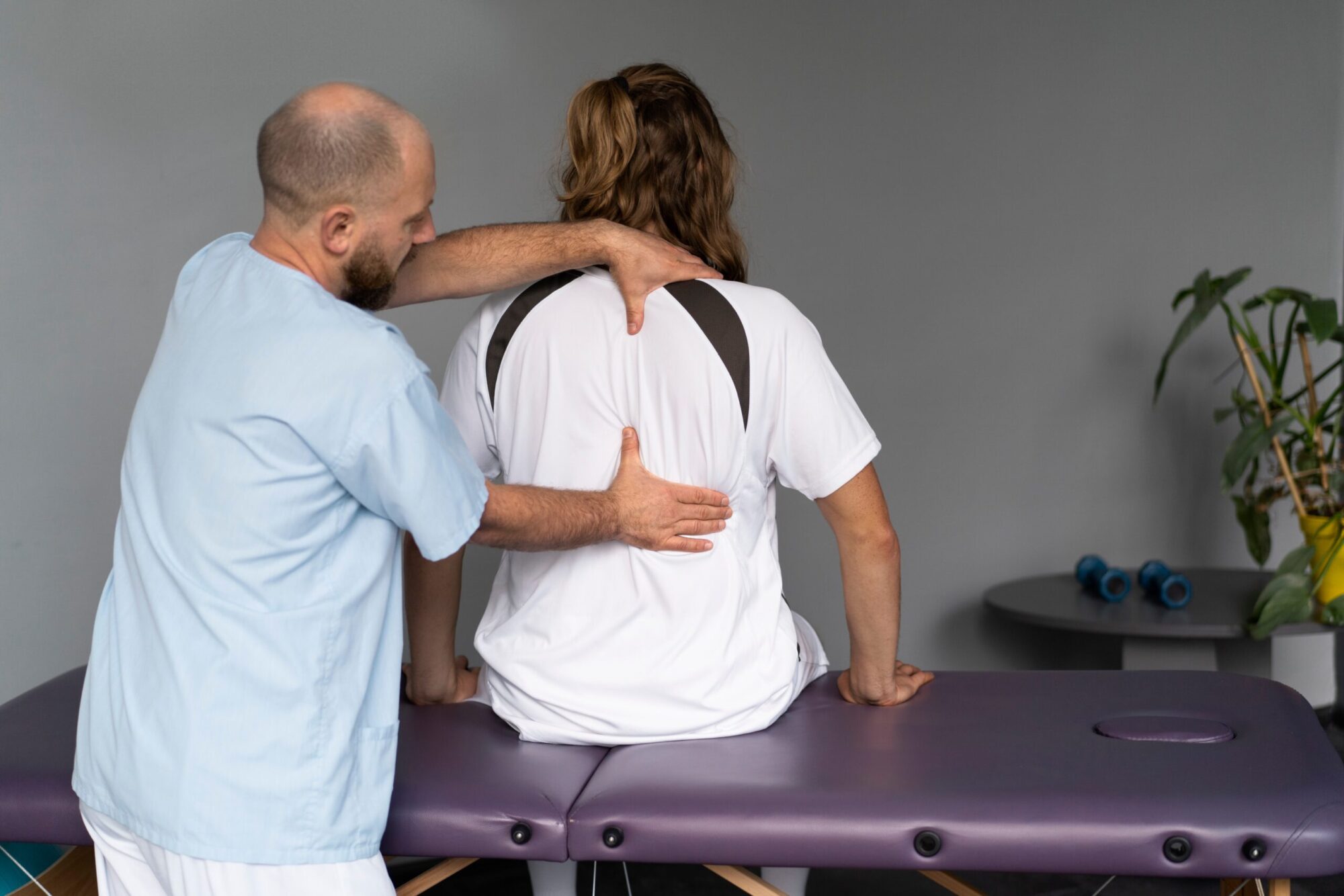
When you visit a back pain doctor in Midland TX, the evaluation may include reviewing your medical history, discussing your symptoms, assessing your posture and mobility, and performing a physical examination. Imaging tests, such as X-rays or MRI scans, may be recommended when clinically appropriate.
The primary goal is to determine what may be causing your discomfort and develop a treatment approach that addresses your symptoms while supporting mobility and everyday function.
Common Causes of Back Pain
Back pain can develop for many reasons, ranging from temporary muscle strain to conditions involving the spinal discs or nerves.
- Muscle Strain and Ligament Injuries: Lifting heavy objects incorrectly, sudden twisting movements, or repetitive physical activity can strain the muscles and ligaments supporting the back. These injuries may cause stiffness, tenderness, and pain when bending or moving.
- Herniated Disc: A herniated disc occurs when material inside a spinal disc pushes through its outer layer. Depending on its location, it may irritate nearby nerves and cause back pain, numbness, tingling, or weakness.
- Sciatica: Sciatica refers to pain associated with irritation or compression of the sciatic nerve. Symptoms may travel from the lower back through the buttock and down one leg. Treatment depends on the underlying cause and severity.
- Spinal Stenosis: Spinal stenosis involves narrowing of spaces within the spine, which can put pressure on nerves. It may cause back discomfort, leg pain, numbness, or difficulty walking for extended periods.
- Poor Posture and Sedentary Habits: Spending long hours sitting, using poorly adjusted workstations, and remaining physically inactive can contribute to back discomfort. Improving posture and maintaining regular movement may help some people manage symptoms.
- Age-Related Changes: As people age, changes in spinal joints, discs, and surrounding tissues can contribute to recurring or chronic back pain.
When Should You See a Back Pain Specialist in Midland TX?
Occasional back pain may improve with conservative care, but persistent or recurring symptoms deserve medical attention. Consider scheduling an appointment with a back pain specialist if your discomfort lasts more than a few weeks, repeatedly returns, limits your daily activities, or interferes with sleep.
You should also seek evaluation if pain travels into your legs or is accompanied by persistent tingling, numbness, or weakness. Early assessment can help identify the underlying problem and determine whether additional treatment is necessary.
Seek emergency medical care immediately if back pain is accompanied by new loss of bladder or bowel control, difficulty urinating, numbness around the groin or saddle area, or rapidly progressing leg weakness. These symptoms can indicate serious nerve compression. Severe back pain following a significant accident or injury also requires urgent assessment.
Back Pain Treatment Options
Treatment depends on the cause of your symptoms, their severity, your medical history, and your functional goals. A back pain specialist may recommend one or more of the following approaches.
- Conservative Treatment: Many cases of back pain improve with activity modification, gradual movement, appropriate pain-relief medication when medically suitable, and guidance from a healthcare professional. Prolonged bed rest is generally discouraged for uncomplicated back pain.
- Physical Therapy: Physical therapy can help improve flexibility, strengthen supporting muscles, and develop safer movement techniques. A therapist may create exercises tailored to your condition, activity level, and recovery goals.
- Medication Management: Depending on your medical history and symptoms, a clinician may recommend appropriate medications to help manage pain or inflammation. Medication selection should account for potential side effects, interactions, and existing health conditions.
- Interventional Pain Management: For selected conditions, specialists may consider procedures such as certain spinal injections. These treatments are not appropriate for everyone, and their potential benefits and risks should be discussed before proceeding.
- Advanced Evaluation and Surgical Consultation: If symptoms are severe, persistent, or associated with significant neurological problems, additional diagnostic evaluation may be necessary. Surgery may be considered for specific conditions when the expected benefits outweigh the risks or when urgent treatment is required.
How to Support a Healthy Back
Alongside professional medical care, healthy daily habits may help reduce strain on your back. Maintain regular physical activity appropriate for your abilities, take movement breaks during long periods of sitting, and use proper lifting techniques. Keeping frequently used items within easy reach can also reduce unnecessary twisting and bending.
When lifting, keep the object close to your body and bend through your hips and knees rather than relying entirely on your lower back. Gradually strengthening your core and back muscles may also improve support and mobility.
If an activity consistently increases your pain, discuss appropriate modifications with your healthcare provider instead of pushing through severe discomfort.
Finding the Right Back Pain Doctor in Midland TX
Choosing a suitable provider involves considering their qualifications, experience with your condition, available diagnostic services, and approach to treatment. Ask whether the provider offers conservative treatment options, coordinates physical therapy, and can refer you for specialized care when necessary.
It is also helpful to discuss treatment goals, expected recovery timelines, insurance coverage, and follow-up arrangements. A personalized care plan should account for your symptoms, lifestyle, and preferences rather than relying on a single treatment for every patient.
If you are researching Specialty Care Clinics or another regional medical provider, confirm the provider’s current Midland location, available services, and appointment availability directly before scheduling. This helps ensure that you receive care appropriate to your needs.
Conclusion
Living with back pain can make everyday activities challenging, but identifying the cause and receiving appropriate care can help you work toward better mobility and comfort. From muscle strains and herniated discs to sciatica and spinal stenosis, back pain may have several underlying causes that require different treatment approaches.
If you are looking for a back pain specialist Midland TX, consider seeking a professional evaluation when symptoms persist, worsen, or interfere with your routine. With an individualized treatment plan, appropriate movement, and medical guidance, many people can manage their symptoms and improve their daily function.
Frequently Asked Questions (FAQs)
1. How do I find a back pain specialist in Midland TX?
Look for a qualified healthcare professional with experience evaluating back and spine conditions. Review their credentials, treatment options, location, and insurance acceptance, and confirm appointment availability directly with the office.
2. What causes lower back pain?
Common causes include muscle strains, ligament injuries, herniated discs, arthritis, spinal stenosis, and nerve irritation. A medical evaluation can help determine the likely cause of your symptoms.
3. When should I see a doctor for back pain?
Consider seeing a doctor if back pain persists for several weeks, keeps returning, worsens, or limits your mobility. Seek emergency care for new bladder or bowel control problems, saddle-area numbness, or rapidly progressing weakness.
4. Can physical therapy help with back pain?
Yes. Physical therapy may improve flexibility, strength, posture, and movement. The appropriate exercises depend on the cause of your pain and should be selected with professional guidance.
5. Does a herniated disc always require surgery?
No. Many herniated discs can be managed without surgery. Treatment may include activity modification, physical therapy, and selected medications or procedures. Surgery may be considered when symptoms are severe, persistent, or associated with significant neurological problems.
Back pain should not prevent you from enjoying your daily routine. If you experience persistent lower back pain, sciatica symptoms, or discomfort that affects your mobility, consider arranging an evaluation with a qualified healthcare professional in Midland, TX.
Discuss your symptoms, treatment goals, and available care options to determine the most appropriate next steps for your condition.
Visit Us: If you are searching https://sccmidland.com/spine-disc-evaluations/ for a back pain specialist in Midland TX, explore available medical services from qualified regional healthcare providers and confirm their Midland locations before visiting.
Contact Us: Have questions about back pain evaluation, spine care, or treatment options? Contact your chosen medical provider to ask about available services, appointment scheduling, and insurance acceptance.
Book an Appointment: Do not ignore persistent back discomfort. Schedule a consultation (432) 599-9580 with a qualified healthcare professional to discuss your symptoms and develop a personalized care plan.
Get Expert Guidance: From lower back pain to suspected herniated discs and sciatica, professional evaluation can help you understand your condition and identify suitable treatment options.