
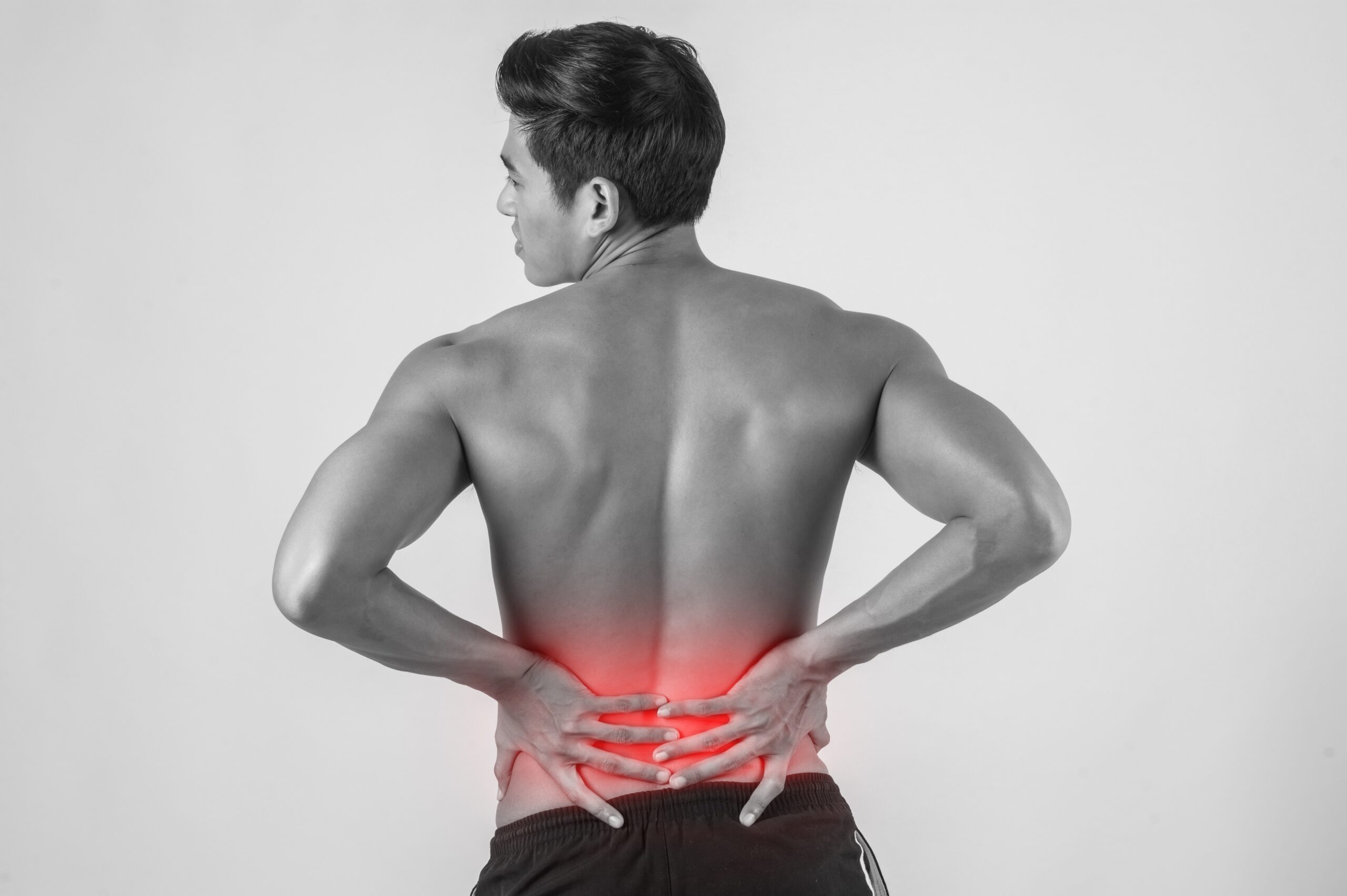
A herniated disc occurs when the soft, gel-like center of a spinal disc pushes through a weakened or damaged area of its tougher outer layer. The affected disc can irritate or compress nearby spinal nerves, potentially causing back pain, neck pain, numbness, tingling, or weakness. Herniated discs may develop in different areas of the spine, including the cervical spine in the neck and lumbar spine in the lower back.
If you are experiencing persistent back or leg pain, seeking an evaluation from a qualified healthcare professional can help determine whether a herniated disc or another spinal condition may be responsible. Midland-area spine practices treat herniated discs among other conditions such as bulging discs, sciatica, spinal stenosis, and pinched nerves.
Common Symptoms of a Herniated Disc
Symptoms can vary depending on the location of the affected disc and whether a nerve is being compressed. Some people have a herniated disc without significant symptoms, while others experience considerable discomfort.
Common symptoms may include:
- Lower back or neck pain
- Pain that travels into the buttock, hip, arm, or leg
- Numbness or tingling
- Muscle weakness
- Difficulty sitting, standing, walking, or bending comfortably
- Pain that becomes worse with certain movements
A herniated disc in the lower back may contribute to symptoms commonly associated with sciatica, while a cervical disc problem can cause symptoms that travel into the shoulder, arm, or hand.
What Causes a Herniated Disc?
Disc herniation can result from gradual wear and tear as the spine ages. Over time, spinal discs can lose some of their flexibility and become more susceptible to injury. A sudden lifting motion, twisting movement, fall, sports injury, or accident can also contribute to disc damage.
Other factors that may increase the likelihood of disc problems include repetitive physical activity, improper lifting techniques, prolonged sitting, and occupations that place significant stress on the back.
Because back pain can have many causes, an accurate evaluation is important before beginning a specific treatment plan.
How Is a Herniated Disc Diagnosed?
A healthcare provider generally begins with a medical history and physical examination. Your provider may ask about the location and duration of your pain, activities that make your symptoms better or worse, and whether you have experienced numbness, tingling, or weakness.
Depending on your symptoms, diagnostic imaging or other tests may be recommended. These can help identify structural changes and determine whether a disc is affecting a nearby nerve.
Some Midland-area spine and physical medicine providers also offer electrodiagnostic testing and diagnostic or therapeutic spine injections when clinically appropriate.
Herniated Disc Treatment Midland TX
The appropriate herniated disc treatment in Midland TX depends on factors such as the severity of symptoms, the location of the disc problem, nerve involvement, overall health, and response to previous treatment.
1. Conservative Treatment
Many patients initially receive nonsurgical treatment. Depending on the individual’s condition, conservative care may include activity modification, prescribed medications, physical therapy, stretching, and exercises designed to improve mobility and strengthen supporting muscles.
The goal is to reduce pain and inflammation while helping the patient return to normal activities safely.
2. Physical Therapy and Rehabilitation
Physical therapy can be an important component of a comprehensive treatment plan. A therapist may recommend exercises to improve flexibility, strengthen the core and supporting muscles, and encourage better movement patterns.
A personalized rehabilitation program may also help patients gradually return to work, exercise, and everyday activities while reducing unnecessary stress on the spine.
3. Interventional Pain Management
When conservative care does not provide sufficient relief, a specialist may consider an interventional treatment. Depending on the diagnosis, options can include epidural steroid injections or selective nerve root blocks.
Midland Spine Institute lists epidural steroid injections/neuroplasty and selective nerve root blocks among its treatment options for appropriate patients.
Interventional treatments should be considered only after an appropriate medical evaluation and discussion of potential benefits and risks.
4. Minimally Invasive Spine Treatment
Some patients with persistent symptoms may benefit from minimally invasive procedures. The appropriate procedure depends on the location and severity of nerve compression and other individual factors.
Local spine specialists in Midland provide minimally invasive and pain-management approaches for selected spinal conditions.
5. Surgery for a Herniated Disc
Surgery is not necessary for every herniated disc. However, it may be considered when symptoms remain severe despite appropriate nonsurgical treatment or when significant neurological problems develop.
Depending on the specific condition, surgical options can include procedures such as a microdiscectomy or other forms of decompression. The appropriate procedure should be determined by a qualified spine surgeon after reviewing the patient’s symptoms, examination, and diagnostic imaging.
When Should You See a Doctor for a Herniated Disc?
Consider scheduling an evaluation if back or neck pain continues, interferes with normal activities, travels into an arm or leg, or is accompanied by numbness, tingling, or weakness.
Seek urgent medical attention for severe or rapidly worsening neurological symptoms, particularly new loss of bladder or bowel control, significant weakness, or numbness in the saddle area. These symptoms can indicate a serious spinal problem requiring immediate evaluation.
Why Choose Professional Herniated Disc Care in Midland, TX?
Getting an accurate diagnosis is an important first step toward effective treatment. A spine or orthopedic specialist can evaluate your symptoms and help determine whether conservative care, rehabilitation, pain management, injections, or surgical consultation is appropriate.
For example, Midland Spine Institute in Midland provides pain-management and minimally invasive spine treatment services, while OrthoMidland provides orthopedic care locally. These are examples of local healthcare options; patients should select care based on their individual diagnosis and medical needs.
Take the Next Step Toward Better Spine Health
Living with persistent back pain can make work, exercise, sleep, and everyday activities more difficult. If you suspect you have a herniated disc, don’t ignore ongoing symptoms. A professional evaluation can help identify the underlying cause and determine an appropriate treatment strategy.
Frequently Asked Questions (FAQs)
1. What is the best treatment for a herniated disc?
There is no single treatment that is best for everyone. Treatment depends on the location and severity of the herniation, symptoms, nerve involvement, and response to previous care. Nonsurgical treatments are often considered first, while injections or surgery may be appropriate for selected patients.
2. Can a herniated disc heal without surgery?
Some people improve with conservative treatment and time. Physical therapy, activity modification, medications when appropriate, and other nonsurgical treatments may help manage symptoms. A healthcare professional can determine the appropriate approach for your condition.
3. How do I know if my back pain is caused by a herniated disc?
Back pain alone does not necessarily mean you have a herniated disc. Pain that travels into the leg or arm, along with numbness, tingling, or weakness, can occur when a spinal nerve is irritated. An examination and, when indicated, diagnostic testing can help identify the cause.
4. When is surgery recommended for a herniated disc?
Surgery may be considered when symptoms remain severe despite appropriate nonsurgical treatment or when significant neurological problems are present. A spine surgeon can determine whether surgery is appropriate based on your individual condition.
5. Can physical therapy help a herniated disc?
Physical therapy may help improve mobility, strength, flexibility, and functional movement. Your therapist or physician can develop an exercise program appropriate for your symptoms and stage of recovery.
Are you searching for herniated disc treatment in Midland TX? Contact a qualified spine or orthopedic healthcare provider today to discuss your symptoms and treatment options. Visit us to learn more about available spine care services, or contact us to schedule an evaluation.
Don’t let back or leg pain keep you from the activities you enjoy. Get professional guidance for your spine health today.
Visit us https://sccmidland.com/pain-management/ for information about personalized spine and pain-management options in Midland, TX.
Contact us at (432) 599-9580 today to discuss your symptoms and take the next step toward appropriate herniated disc care.