
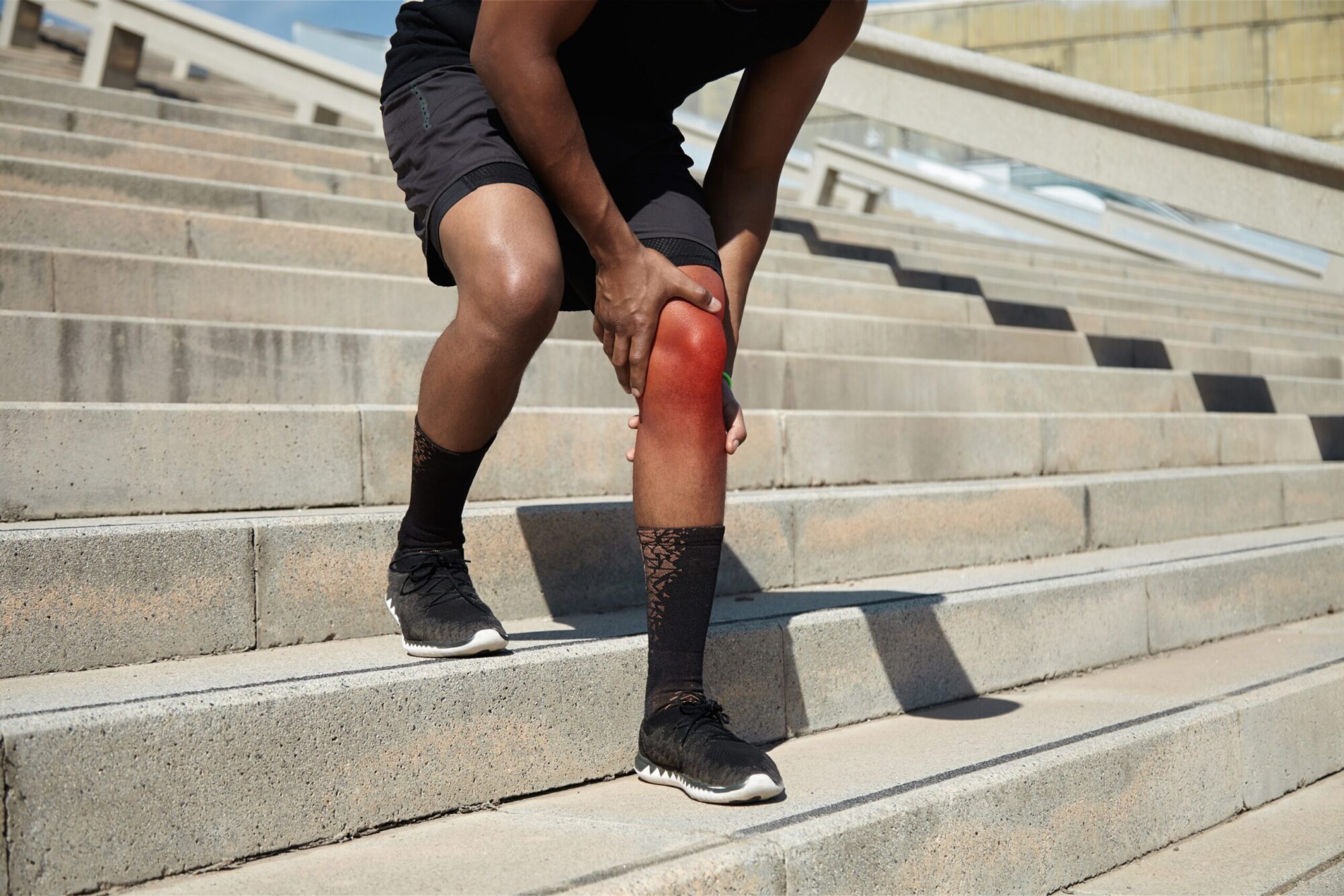
The knee is one of the most important and heavily used joints in the human body. It supports body weight, allows movement, and helps maintain balance during everyday activities. Because of its constant use, the knee is highly vulnerable to injuries caused by sports, accidents, falls, overuse, and age-related wear and tear. Understanding the available knee injury treatment options can help individuals recover effectively, reduce pain, and return to their normal activities as quickly as possible.
Understanding Common Knee Injuries
Knee injuries can range from minor strains to severe ligament tears and fractures. Some of the most common knee injuries include:
- Ligament injuries such as ACL, PCL, MCL, and LCL tears
- Meniscus tears
- Tendonitis
- Patellar injuries
- Cartilage damage
- Knee dislocations
- Fractures around the knee joint
The severity of the injury often determines which treatment option is most appropriate. Early diagnosis is critical to prevent complications and long-term damage.
Rest, Ice, Compression, and Elevation (RICE)
One of the first and most effective treatments for mild knee injuries is the RICE method:
1. Rest
Resting the injured knee prevents additional strain and allows damaged tissues to begin healing. Avoid activities that worsen pain or swelling.
2. Ice
Applying ice packs for 15 to 20 minutes several times a day can help reduce inflammation and numb pain.
3. Compression
Elastic bandages or compression sleeves help control swelling and provide support to the injured area.
4. Elevation
Keeping the knee elevated above heart level can reduce swelling and improve circulation.
The RICE method is commonly recommended during the first 48 to 72 hours following a knee injury.
Medications for Pain Relief
Pain management is an important part of recovery. Depending on the injury, healthcare providers may recommend:
1. Over-the-Counter Pain Relievers
Common medications include:
- Ibuprofen
- Naproxen
- Acetaminophen
These medications can help reduce pain and inflammation while the knee heals.
2. Prescription Medications
For more severe injuries, doctors may prescribe stronger anti-inflammatory medications or short-term pain management solutions.
It is important to use medications as directed and consult a healthcare professional regarding potential side effects.
Physical Therapy and Rehabilitation
Physical therapy is one of the most effective knee injury treatment options available. A structured rehabilitation program can help restore strength, flexibility, and stability.
Benefits of Physical Therapy
- Improves range of motion
- Strengthens supporting muscles
- Enhances joint stability
- Reduces pain and stiffness
- Speeds up recovery
Physical therapists develop personalized treatment plans based on the type and severity of the injury. Rehabilitation exercises often focus on strengthening the quadriceps, hamstrings, and calf muscles to support the knee joint.
Knee Braces and Support Devices
Braces can provide stability and protection during recovery. Different types of braces are available depending on the injury.
1. Functional Braces
These braces support injured ligaments and allow controlled movement.
2. Rehabilitative Braces
Often used after surgery, rehabilitative braces limit knee motion while tissues heal.
3. Compression Sleeves
These provide mild support and help reduce swelling during daily activities.
Using a brace can improve confidence and reduce the risk of reinjury during recovery.
Injections for Knee Pain Management
When conservative treatments are not enough, doctors may recommend injections to reduce pain and inflammation.
1. Corticosteroid Injections
These injections can provide temporary relief from inflammation and discomfort associated with knee injuries and arthritis.
2. Hyaluronic Acid Injections
Hyaluronic acid helps lubricate the knee joint, improving movement and reducing pain.
3. Platelet-Rich Plasma (PRP) Therapy
PRP therapy uses a patient’s own blood components to promote tissue healing and regeneration. This treatment is increasingly used for tendon and ligament injuries.
Surgical Treatment Options
Some knee injuries require surgery when conservative treatments fail or when structural damage is severe.
1. Arthroscopic Surgery
This minimally invasive procedure uses small incisions and a camera to repair damaged tissues within the knee joint.
Common arthroscopic procedures include:
- Meniscus repair
- Cartilage repair
- Ligament reconstruction
2. Ligament Reconstruction
Severe ligament tears, especially ACL injuries, may require reconstruction surgery using tissue grafts.
3. Meniscus Surgery
Depending on the extent of the tear, surgeons may repair or remove damaged portions of the meniscus.
4. Knee Replacement Surgery
In cases of severe joint damage or advanced arthritis, partial or total knee replacement may be recommended to restore function and relieve chronic pain.
Alternative and Complementary Treatments
Many individuals explore complementary therapies alongside traditional medical treatments.
1. Acupuncture
Acupuncture may help reduce pain and improve function in some patients with knee injuries.
2. Massage Therapy
Therapeutic massage can help relieve muscle tension and improve circulation around the injured area.
3. Chiropractic Care
Certain patients may benefit from chiropractic techniques that address movement patterns and joint mechanics.
While these therapies may provide relief, they should complement—not replace—professional medical treatment.
Preventing Future Knee Injuries
Prevention is a key component of long-term knee health. Consider these strategies:
1. Maintain a Healthy Weight
Excess body weight increases stress on the knee joints and may contribute to injury.
2. Strength Training
Strong leg muscles provide better support and stability for the knees.
3. Warm-Up Before Exercise
Proper stretching and warm-up exercises reduce the risk of injury during physical activity.
4. Wear Appropriate Footwear
Supportive shoes can improve alignment and reduce unnecessary strain on the knees.
5. Practice Proper Technique
Whether participating in sports or exercising, using proper movement techniques can help prevent injuries.
When to Seek Medical Attention
You should seek immediate medical evaluation if you experience:
- Severe pain
- Inability to bear weight
- Significant swelling
- Knee instability
- Visible deformity
- Locking or inability to move the knee
- Signs of infection after an injury
Early intervention often leads to better outcomes and faster recovery.
Conclusion
Knee injuries can significantly affect mobility, daily activities, and quality of life. Fortunately, numerous knee injury treatment options are available, ranging from simple home care and physical therapy to advanced injections and surgical procedures. The most effective treatment depends on the type and severity of the injury, as well as the patient’s overall health and activity level. Seeking timely medical evaluation and following a comprehensive treatment plan can help ensure a successful recovery and reduce the risk of future knee problems.
Frequently Asked Questions (FAQs)
1. What is the fastest way to recover from a knee injury?
The fastest recovery typically involves early diagnosis, following the RICE method, participating in physical therapy, and following medical recommendations.
2. Can knee injuries heal without surgery?
Yes. Many knee injuries, including mild ligament sprains, tendonitis, and some meniscus tears, can heal successfully with conservative treatment.
3. How long does knee injury recovery take?
Recovery can range from a few weeks for minor injuries to several months for severe ligament tears or surgical procedures.
4. Is physical therapy necessary after a knee injury?
In most cases, physical therapy is highly beneficial because it restores strength, flexibility, and stability while reducing the risk of reinjury.
5. When is knee surgery recommended?
Surgery is typically recommended when there is significant structural damage, persistent instability, severe pain, or failure of conservative treatment methods.
Get Expert Care for Your Knee Injury Today
Don’t let knee pain limit your lifestyle. Whether you’re dealing with a sports injury, ligament tear, meniscus damage, or chronic knee discomfort, professional evaluation and treatment can help you recover faster and return to the activities you enjoy. Schedule an appointment with an experienced orthopedic specialist today to explore the best knee injury treatment options for your condition.
✅ Expert diagnosis and personalized treatment plans for knee injuries.
✅ Advanced rehabilitation programs designed for faster recovery.
✅ Comprehensive orthopedic care for athletes and active individuals.
✅ Modern treatment options including physical therapy, injections, and surgical solutions.
Visit Us
Visit our clinic https://sccmidland.com/pain-management/ today for professional evaluation and comprehensive knee injury care tailored to your needs.
Contact Us
Contact us at (432) 322-8675 now to schedule your consultation and begin your journey toward pain-free movement and improved knee health.