
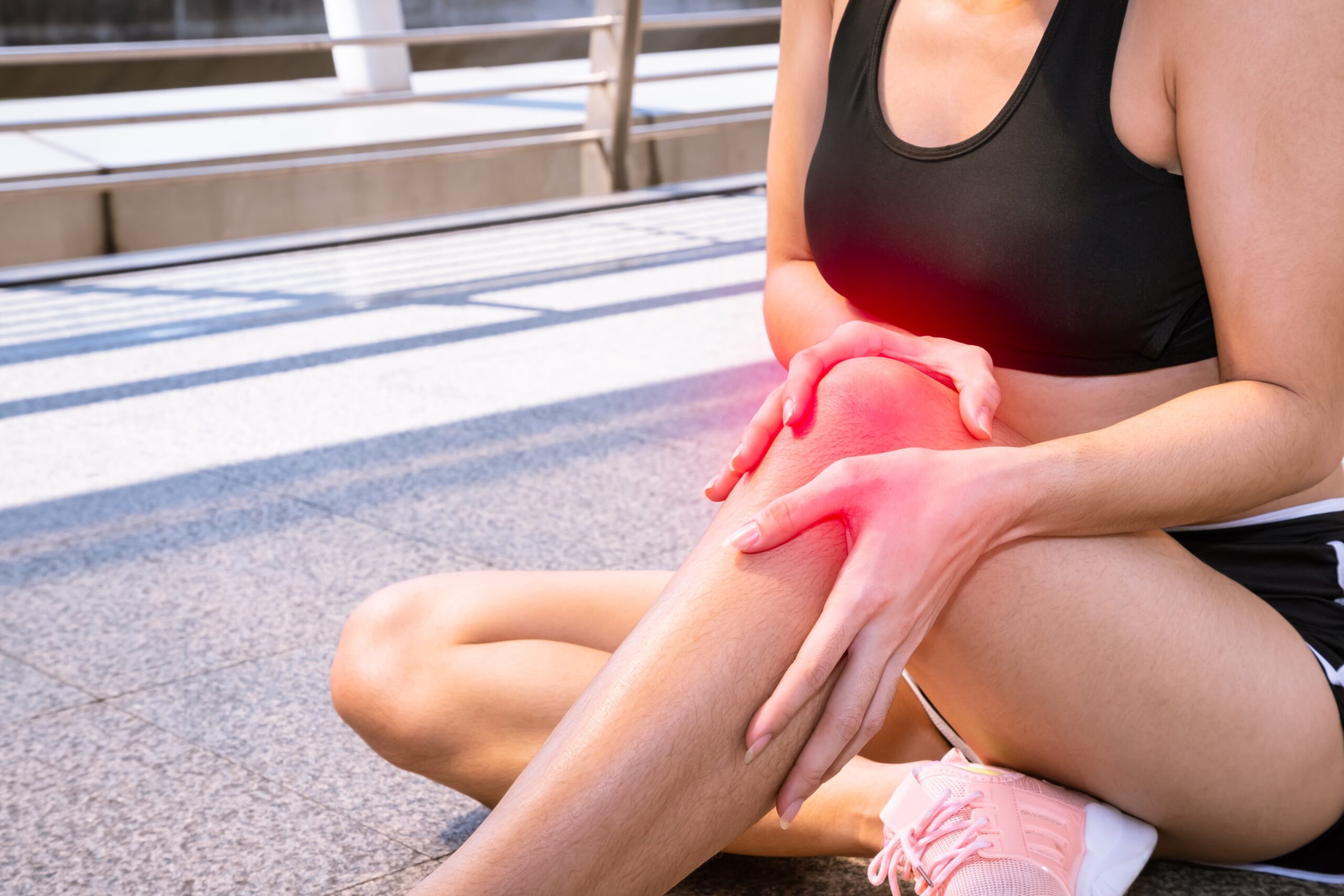
Knee pain is one of the most common joint problems affecting people of all ages. Whether you’re an athlete working professional or senior knee pain , pain can interfere with daily activities such as walking, climbing stairs or even sitting comfortably. The knee joint carries most of the body’s weight making it vulnerable to injury and wear and tear over time.
Understanding the causes, symptoms and available treatments for knee pain can help you effectively manage discomfort and prevent long-term complications.
Common causes of knee pain
There are a bunch of causes of knee pain. Some cases appear suddenly due to infection, others develop gradually.
1. Injuries
Sports injuries, falls or accidents can damage the ligaments cartilage or bones of the knee. Common injuries include:
- Ligament tears (ACL MCL)
- Meniscus tears
- Factions
- Take off
These injuries often cause swelling instability and severe pain in the knee.
2. Arthritis
Arthritis is the main cause of chronic knee pain. The most common types are:
- Osteoporosis (wear and tear)
- Rheumatoid arthritis (autoimmune condition)
- Post-traumatic arthritis
Knee pain associated with arthritis usually worsens with age.
3. Overuse
Repetitive movements such as running, cycling or jumping can stress the knee joint. This can lead to tendinitis or inflammation that can lead to persistent knee pain.
4. Obesity
Being overweight increases stress on the knee joint accelerates the breakdown of cartilage and worsens knee pain over time.
Symptoms of knee pain
Symptoms of knee pain can vary depending on the underlying cause. Common signs include:
- Swelling and stiffness
- Redness and warmth
- Weakness or instability
- Cracking or grinding sounds
- Difficulty straightening the knee
If the knee pain is severe or lasts more than a few days a medical examination is recommended.
Diagnosing knee pain
Correct diagnosis is essential for effective treatment of knee pain. The healthcare provider:
- Physical examination
- X-rays to check for bone damage
- MRI to check for damage to ligaments or cartilage
- Blood tests to check for arthritis or infection
Accurate diagnosis ensures targeted treatment and faster recovery from , from knee pain.
Treatment options for knee pain
Treatment depends on the severity of the knee pain and its cause.
1. Comfort and home care
- Mild knee pain is often improved by:
- Convenience
- Ice application
- Pressure
- Height
This method known as rice therapy helps reduce swelling and discomfort.
2. Medicines
Doctors may recommend:
- Pain relievers
- Anti-inflammatory drugs
- Corticosteroid injection
These medications help control the symptoms of inflammation and knee pain.
3. Physical therapy
Strengthening exercises improve flexibility and support the knee joint. Physical therapy is very effective in reducing chronic knee pain.
4. Braces and supports
Knee braces provide stability and reduce stress during movement.
5. Surgical treatment
In severe cases such as torn ligaments or advanced arthritis surgery may be required. Options include arthroscopy ligament repair or total knee replacement.
Prevention of knee pain
Prevention plays a big role in avoiding long-term knee pain.
- Maintain a healthy weight
- Do regular exercises to strengthen your muscles
- Wear appropriate shoes
- Warm up before exercises
- Avoid sudden increases in physical activity
By following these steps, you can significantly reduce your risk of knee pain.
When do you go to the doctor?
Get medical help if you experience:
- Severe knee pain after injury
- Inability to bear weight
- Significant swelling
- Knee deformity
- Fever with knee pain
Early treatment prevents the development of complications and ensures a faster recovery.
Lifestyle changes for long-term relief
Treating knee pain often requires lifestyle changes. Low-impact exercises such as swimming and cycling can keep joints flexible without increasing stress. An anti-inflammatory diet rich in fruits, vegetables and omega-3 fatty acids also supports joint health.
Regular stretching and strengthening exercises help maintain stability and prevent recurring episodes of knee pain.
Conclusion
Knee pain can affect , affect mobility and overall quality of life if left , left untreated. From injuries and arthritis to overuse and obesity, a bunch of factors can contribute to discomfort. Early diagnosis and appropriate treatment is essential to prevent symptoms from worsening. With proper care, lifestyle changes and medical guidance, knee pain can be effectively treated so you can return to your daily activities pain-free.
Frequently Asked Questions (FAQ)
1. What is the most common cause of knee pain?
Osteoarthritis and injuries are the most common causes of knee pain.
2. Can knee pain go away on its own?
Mild knee pain caused by overuse can improve with rest and home care.
3. How long does knee pain last?
It depends on the reason. Minor injuries can heal within weeks, while chronic knee pain can take longer.
4. Does walking have a beneficial effect on knee pain?
Yes, light walking can strengthen your muscles, but avoid overdoing it.
5. When should I worry about knee pain?
See a doctor if your knee pain is severe, persistent, or accompanied by swelling and instability.
Visit our website https://sccmidland.com/ortho-and-spine/ now to learn more about knee pain solutions tailored for you. Call us at (432) 322-8675 today to book your appointment and start your journey toward pain-free living!