
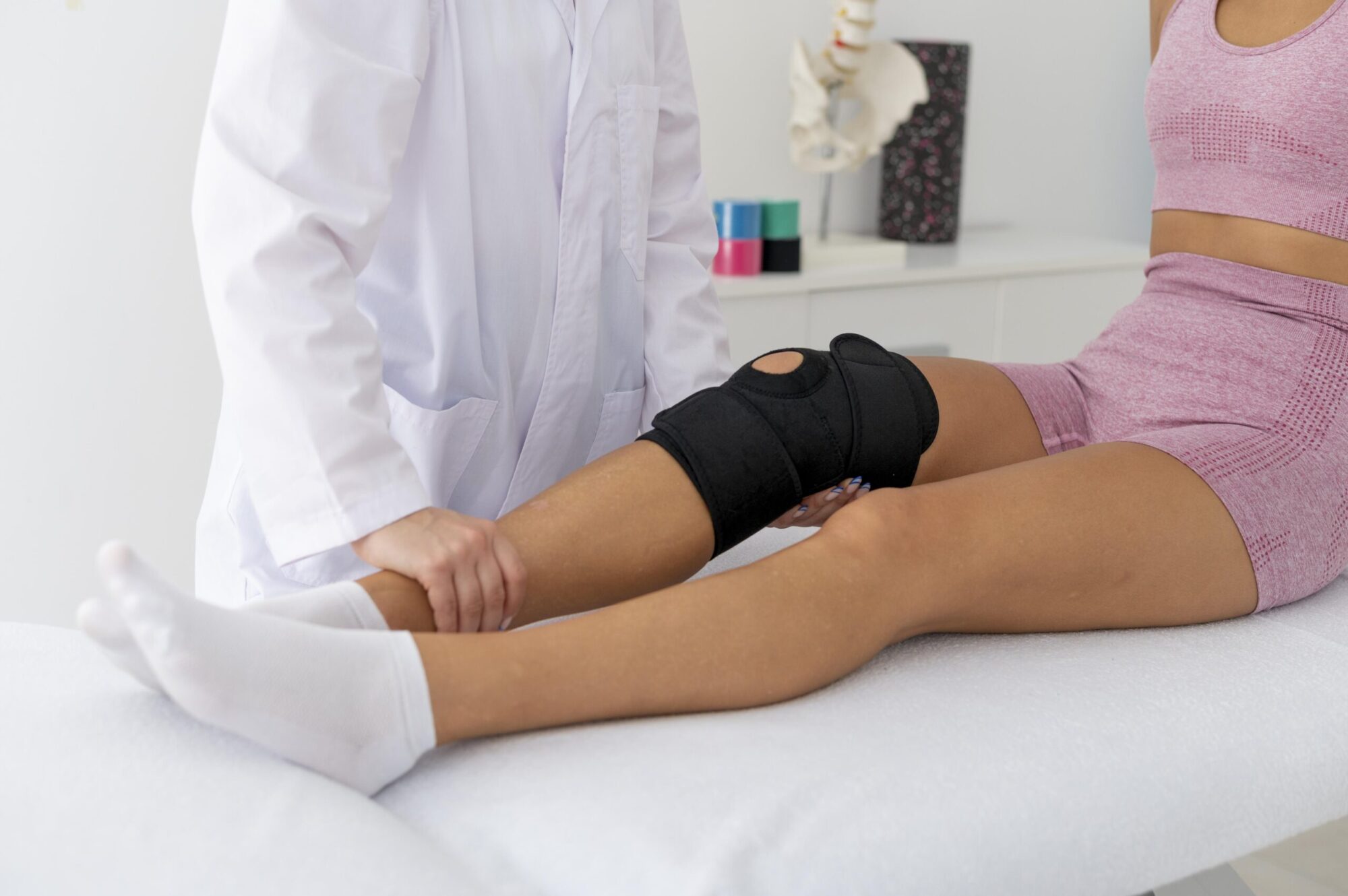
Knee pain is one of the most common musculoskeletal complaints affecting people of all ages. Whether caused by injury, arthritis, overuse, or underlying medical conditions, knee pain can significantly impact mobility and quality of life. Simple activities such as walking, climbing stairs, exercising, or even standing for extended periods can become challenging. Fortunately, modern knee pain treatment options can help reduce discomfort, restore function, and improve overall joint health.
Understanding Knee Pain
The knee is one of the largest and most complex joints in the body. It consists of bones, cartilage, ligaments, tendons, and muscles working together to provide stability and movement. When any of these structures become damaged or inflamed, pain and stiffness may occur.
Knee pain may develop suddenly after an injury or gradually over time due to wear and tear. Identifying the underlying cause is essential for selecting the most effective treatment approach.
Common Causes of Knee Pain
Several conditions can contribute to knee discomfort, including:
1. Osteoarthritis
Osteoarthritis is the most common cause of chronic knee pain. It occurs when the cartilage cushioning the joint gradually wears away, leading to inflammation, stiffness, and pain.
2. Ligament Injuries
Sports activities, sudden twists, or accidents can damage ligaments such as the ACL, PCL, MCL, or LCL, resulting in instability and pain.
3. Meniscus Tears
The meniscus acts as a shock absorber in the knee. Tears often occur during sports or sudden movements and can cause swelling and limited motion.
4. Tendonitis
Overuse of the knee joint can lead to tendon inflammation, commonly known as tendonitis. Athletes and active individuals are particularly susceptible.
5. Bursitis
Bursae are fluid-filled sacs that reduce friction within the joint. Inflammation of these sacs can result in swelling and discomfort.
6. Patellofemoral Pain Syndrome
Often referred to as “runner’s knee,” this condition causes pain around the kneecap due to improper alignment or repetitive stress.
Symptoms That May Require Treatment
Knee pain symptoms vary depending on the cause but may include:
- Persistent pain or aching
- Swelling around the knee
- Joint stiffness
- Difficulty walking
- Reduced range of motion
- Clicking or popping sounds
- Weakness or instability
- Redness and warmth around the joint
If symptoms persist for several days or worsen over time, seeking medical evaluation is recommended.
Non-Surgical Knee Pain Treatment Options
Most cases of knee pain can be managed successfully without surgery. Early intervention often prevents the condition from becoming more severe.
1. Rest and Activity Modification
Allowing the knee adequate rest can help reduce inflammation and promote healing. Avoid activities that aggravate symptoms while maintaining gentle movement to prevent stiffness.
2. Physical Therapy
Physical therapy is one of the most effective treatments for knee pain. A customized rehabilitation program can:
- Strengthen supporting muscles
- Improve flexibility
- Enhance joint stability
- Increase mobility
- Reduce pain
Therapists often focus on strengthening the quadriceps, hamstrings, and hip muscles to support proper knee function.
3. Medications
Over-the-counter anti-inflammatory medications may help reduce pain and swelling. Healthcare providers may also recommend prescription medications depending on the severity of symptoms.
4. Ice and Heat Therapy
Applying ice can reduce swelling during acute injuries, while heat therapy may help relax muscles and improve circulation in chronic conditions.
5. Weight Management
Excess body weight places additional stress on knee joints. Even modest weight loss can significantly decrease pressure on the knees and improve symptoms.
6. Knee Bracing and Support
Braces and supportive devices can help stabilize the joint, improve alignment, and reduce discomfort during daily activities.
Advanced Knee Pain Treatment Options
When conservative treatments fail to provide adequate relief, advanced therapies may be recommended.
1. Corticosteroid Injections
These injections help reduce inflammation and provide temporary pain relief for conditions such as arthritis and bursitis.
2. Hyaluronic Acid Injections
Sometimes called viscosupplementation, these injections improve joint lubrication and may help individuals with osteoarthritis.
3. Platelet-Rich Plasma (PRP) Therapy
PRP therapy uses the patient’s own blood components to support tissue healing and reduce inflammation in injured joints.
4. Regenerative Medicine
Emerging regenerative therapies are being explored to repair damaged tissues and improve long-term joint function.
Surgical Knee Pain Treatment
Surgery is generally considered when conservative treatments no longer provide relief or when structural damage is severe.
1. Arthroscopic Surgery
Minimally invasive arthroscopy allows surgeons to repair damaged cartilage, remove loose fragments, and treat meniscus tears.
2. Ligament Reconstruction
Severe ligament injuries, especially ACL tears, may require reconstructive surgery to restore knee stability.
3. Partial Knee Replacement
When only one section of the knee is affected, partial replacement may be an effective option.
4. Total Knee Replacement
For advanced arthritis and significant joint damage, total knee replacement can dramatically improve mobility and reduce chronic pain.
Preventing Knee Pain
While not all knee problems can be prevented, several strategies can reduce the risk of injury and degeneration.
1. Stay Physically Active
Regular exercise strengthens muscles that support the knee and improves joint flexibility.
2. Maintain a Healthy Weight
Reducing excess weight decreases stress on knee joints and helps prevent osteoarthritis progression.
3. Practice Proper Technique
Whether exercising, lifting, or participating in sports, using proper body mechanics can reduce injury risk.
4. Wear Appropriate Footwear
Supportive shoes improve alignment and reduce unnecessary strain on the knees.
5. Stretch Regularly
Flexibility exercises help maintain joint mobility and reduce muscle tightness that may contribute to knee pain.
When to See a Specialist
You should consult a healthcare provider if you experience:
- Severe knee pain
- Inability to bear weight
- Significant swelling
- Joint deformity
- Persistent symptoms lasting several weeks
- Recurrent knee instability
- Limited movement affecting daily activities
Early diagnosis and treatment can prevent complications and improve long-term outcomes.
Conclusion
Knee pain can interfere with everyday life, but effective treatment options are available. From physical therapy and lifestyle modifications to advanced injections and surgical procedures, modern knee pain treatment approaches can help restore mobility and reduce discomfort. Understanding the underlying cause of your symptoms is the first step toward developing a personalized treatment plan that supports long-term joint health and an active lifestyle.
Frequently Asked Questions (FAQs)
1. What is the best treatment for knee pain?
The best treatment depends on the underlying cause. Common options include physical therapy, medications, weight management, injections, and in some cases, surgery.
2. Can knee pain go away without surgery?
Yes. Many cases of knee pain improve with conservative treatments such as rest, physical therapy, and lifestyle modifications.
3. How long does knee pain take to heal?
Recovery time varies depending on the cause and severity. Minor injuries may improve within weeks, while chronic conditions may require ongoing management.
4. Is walking good for knee pain?
Gentle walking can help maintain joint mobility and strengthen supporting muscles, but activities should be adjusted based on pain levels.
5. When should I see a doctor for knee pain?
Seek medical attention if pain is severe, persistent, accompanied by swelling, or interferes with normal daily activities.
Are you struggling with knee pain that affects your daily activities? Don’t let discomfort limit your mobility. Our experienced healthcare professionals provide comprehensive evaluation and personalized knee pain treatment solutions designed to help you move comfortably again. Schedule your appointment today and take the first step toward lasting relief.
✔ Expert evaluation and advanced knee pain treatment options available.
✔ Personalized care plans designed to restore mobility and improve quality of life.
✔ Schedule your consultation today for effective knee pain relief.
Visit Us
Visit our clinic https://sccmidland.com/pain-management/ to receive professional assessment and comprehensive treatment for knee pain and joint-related conditions.
Contact Us
Contact us at (432) 218-7499 today to book an appointment and learn more about our specialized knee pain treatment services. Our team is ready to help you regain comfort, mobility, and confidence.