
Spinal stenosis is a condition in which the spaces within the spine become narrower, potentially putting pressure on the spinal cord or spinal nerves. It most commonly affects the lower back, known as lumbar spinal stenosis, or the neck, known as cervical spinal stenosis. Symptoms can range from mild discomfort to significant pain, numbness, weakness, or difficulty walking.
People searching for spinal stenosis treatment Midland TX may be experiencing persistent back or neck pain, leg symptoms, or limitations with everyday activities. The appropriate treatment depends on the location and severity of the narrowing, the underlying cause, overall health, and how symptoms affect daily life.
Specialty Care Clinics lists spinal canal stenosis, lumbar spinal stenosis, and cervical spinal canal stenosis among the spinal conditions it treats. Its Midland locations include 1304 W. Texas Ave. and 2304 W. Michigan Ave.
Common Causes of Spinal Stenosis
Spinal stenosis is often associated with age-related changes in the spine. As people get older, discs may lose height, joints can develop arthritis, and bone spurs may form. These changes can gradually reduce the available space for nerves.
Other potential causes include:
- Degenerative disc disease
- Osteoarthritis of the spine
- Herniated or bulging discs
- Bone spurs
- Thickening of spinal ligaments
- Previous spinal injuries
- Certain congenital spinal conditions
- Spondylolisthesis or other structural changes
Because several spinal conditions can produce similar symptoms, an evaluation by a qualified healthcare professional is important before choosing a treatment.
Symptoms of Spinal Stenosis
Symptoms can vary depending on whether the narrowing affects the lumbar or cervical spine.
1. Lumbar Spinal Stenosis Symptoms
Lumbar stenosis may cause:
- Lower back pain
- Pain that travels into the buttocks or legs
- Numbness or tingling in the legs
- Leg weakness
- Difficulty standing for extended periods
- Pain or heaviness while walking
- Symptoms that improve when sitting or bending forward
Some people may have spinal narrowing visible on imaging without significant symptoms. This is why treatment decisions should consider both imaging findings and the patient’s symptoms.
2. Cervical Spinal Stenosis Symptoms
When stenosis occurs in the neck, symptoms may include neck pain, arm pain, numbness, tingling, or weakness. More serious spinal cord compression can affect coordination, balance, walking, or hand function and requires prompt medical assessment.
How Is Spinal Stenosis Diagnosed?
A spinal stenosis evaluation generally begins with a medical history and physical examination. Your provider may ask when symptoms began, what activities make them better or worse, and whether you experience weakness, numbness, balance problems, or changes in walking.
Depending on your symptoms, diagnostic imaging may be recommended. X-rays can help identify changes such as arthritis or alignment problems, while MRI scans can provide detailed information about discs, nerves, the spinal canal, and surrounding soft tissues.
The goal is to determine whether the narrowing seen on imaging corresponds with the symptoms you are experiencing.
Spinal Stenosis Treatment Options in Midland TX
Treatment for spinal stenosis does not necessarily begin with surgery. Many patients are initially treated with conservative and interventional approaches.
1. Activity Modification
Changing activities that consistently aggravate symptoms may help reduce discomfort. Your healthcare provider can help identify appropriate activities while avoiding prolonged inactivity, which can contribute to weakness and reduced mobility.
2. Physical Therapy
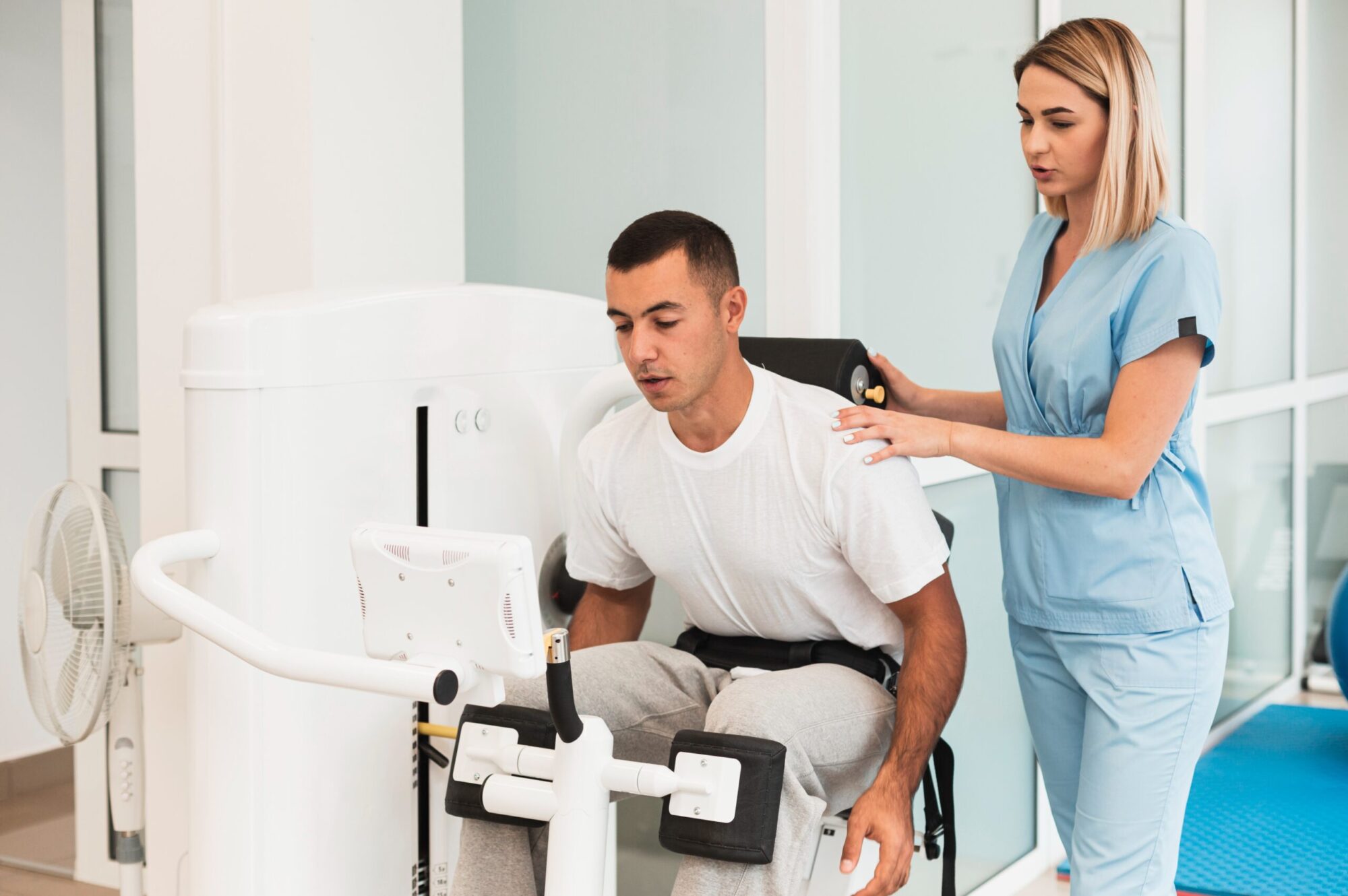
Physical therapy may be recommended to improve strength, flexibility, posture, balance, and functional movement. A customized exercise program can help support the muscles around the spine and improve your ability to perform everyday activities.
3. Medication Management
Depending on your medical history, providers may recommend medications to manage pain or inflammation. Medication choices should be discussed with a healthcare professional, particularly if you take other medications or have underlying health conditions.
4. Interventional Pain Management
When conservative treatment does not provide sufficient relief, interventional treatments may be considered for selected patients. These can include epidural steroid injections and other targeted procedures designed to reduce inflammation and pain associated with irritated spinal nerves.
Specialty Care Clinics identifies lumbar and cervical epidural steroid injections, nerve blocks, and spinal cord stimulation among its pain-management services.
5. Spinal Cord Stimulation
For certain patients with persistent chronic pain, spinal cord stimulation may be considered. It involves using an implanted device to deliver electrical stimulation intended to modify pain signals. Whether this option is appropriate depends on the patient’s diagnosis, previous treatments, symptoms, and overall health.
6. Surgical Treatment
Surgery may be considered when symptoms are severe, neurological problems develop, or non-surgical treatment fails to provide adequate relief. Depending on the specific cause and location of compression, procedures may involve removing structures that are compressing nerves or creating additional space around the spinal cord or nerves.
Specialty Care Clinics identifies spine surgery among its available areas of care and lists neurosurgical treatment for cervical and lumbar spinal stenosis.
Surgery is not appropriate for every patient with spinal stenosis. A spine specialist can review imaging and symptoms to determine whether an operation may provide meaningful benefits.
Why Choose Local Spine Care in Midland TX?
Seeking care locally can make it easier to receive ongoing evaluation and follow-up. Specialty Care Clinics has a Midland location at 1304 W. Texas Ave., Midland, TX 79701, with listed clinic hours Monday through Friday from 9 a.m. to 5 p.m.
Its provider information also lists Francisco Batlle, MD, as a spine specialist with expertise in spinal conditions, including cervical and lumbar spinal stenosis.
When selecting a provider, consider the team’s experience with your particular condition, available diagnostic services, treatment options, and approach to conservative versus surgical care.
When Should You Seek Medical Attention?
Persistent back or neck pain should not simply be ignored, especially when it interferes with walking, work, sleep, or everyday activities. Contact a healthcare professional if you experience ongoing pain, numbness, tingling, weakness, or difficulty walking.
Seek urgent medical attention for severe or rapidly worsening neurological symptoms, particularly new loss of bladder or bowel control, significant weakness, or numbness involving the groin or inner thighs.
Take the Next Step Toward Better Spine Health
Living with spinal stenosis can make normal activities difficult, but treatment options are available. The right approach may include physical therapy, medication management, interventional pain procedures, or referral for surgical evaluation depending on your symptoms and diagnosis.
If you are searching for spinal stenosis treatment Midland TX, consider scheduling an evaluation with a qualified spine or pain-management provider. A personalized assessment can help identify the cause of your symptoms and determine an appropriate treatment plan.
Frequently Asked Questions (FAQs)
1. What is the best treatment for spinal stenosis?
There is no single best treatment for everyone. Treatment depends on the location and severity of stenosis, symptoms, medical history, and response to previous treatment. Options may include physical therapy, medication, injections, pain-management procedures, and surgery when appropriate.
2. Can spinal stenosis be treated without surgery?
Yes. Many patients are initially managed with non-surgical treatments such as physical therapy, activity modification, medication, and selected injections. Surgery may be considered when symptoms remain severe or neurological problems develop.
3. What is lumbar spinal stenosis?
Lumbar spinal stenosis is narrowing of the spinal canal or openings for nerves in the lower back. It can cause lower back pain, leg pain, numbness, tingling, weakness, and walking difficulties.
4. Can spinal stenosis cause leg pain?
Yes. Narrowing in the lower spine can place pressure on spinal nerves and cause pain, tingling, numbness, or weakness that travels from the lower back into the buttocks or legs.
5. When should I see a spine specialist?
Consider an evaluation if persistent back or neck pain, numbness, weakness, or walking difficulty is interfering with daily activities or has not improved with basic care.
Visit Us: Visit us https://sccmidland.com/pain-management/ for personalized evaluation and treatment options for back, neck, and spinal conditions.
Contact Us: Contact us at (432) 599-9580 today to discuss your spinal stenosis symptoms and schedule an appointment.
Your Spine Health Matters: Don’t allow persistent back or leg pain to limit your daily life. Get professional guidance and explore appropriate treatment options for spinal stenosis in Midland, TX.
Schedule Your Visit: Take the first step toward understanding your spinal condition. Visit us or contact our Midland team to learn more about available spine and pain-management care.