
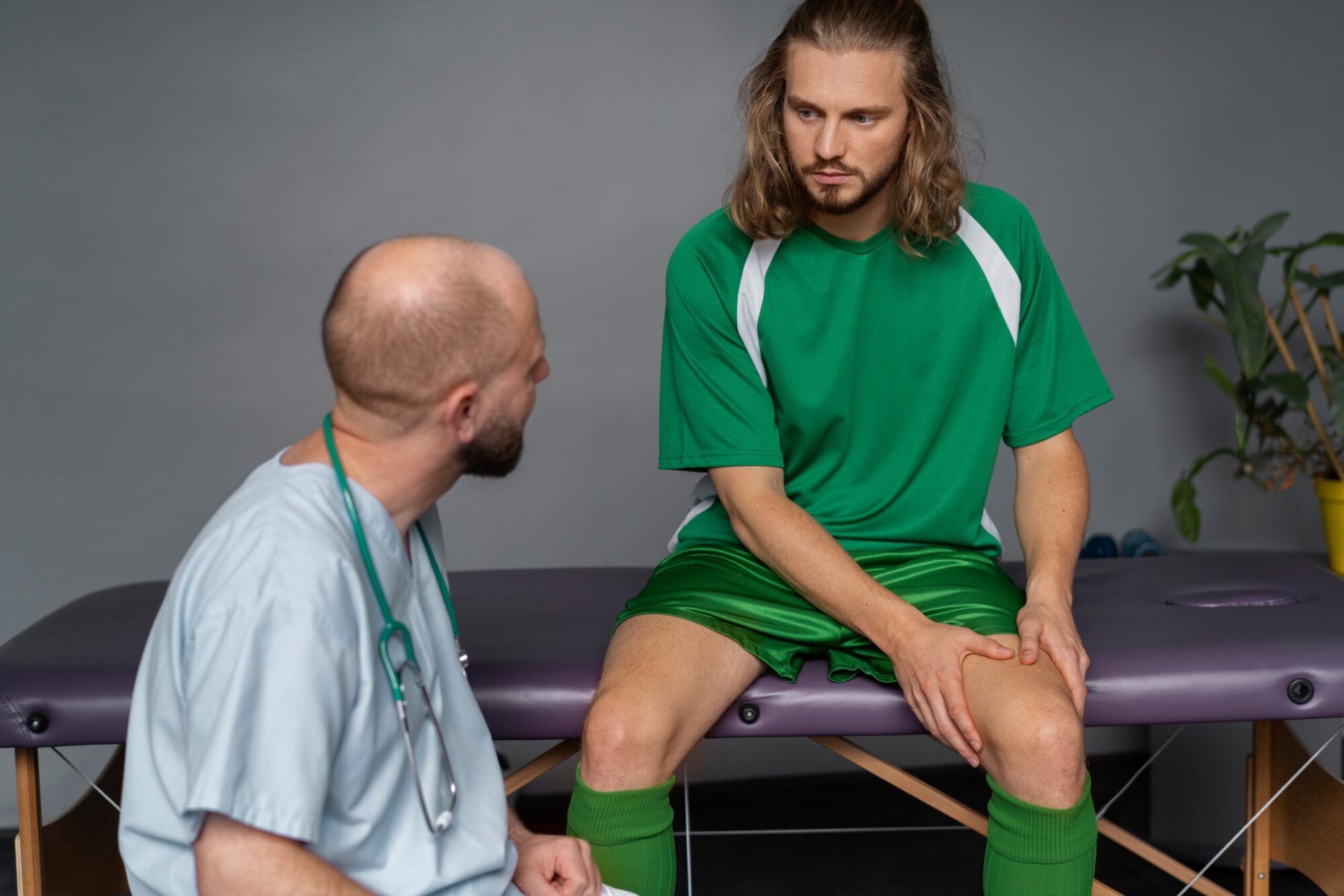
Sports are an excellent way to stay active, build strength, and improve overall fitness. However, athletes of all ages and skill levels can experience injuries during practices, competitions, workouts, or recreational activities. From a mild muscle strain to a serious ligament injury, getting the right care can make an important difference in recovery.
If you are searching for sports injury treatment Midland TX, understanding your treatment options can help you make informed decisions about your recovery. Sports injury care may involve evaluation, diagnostic imaging, pain management, physical therapy, rehabilitation, and, when necessary, referral to an orthopedic specialist. Midland-area providers offer care for a wide range of athletic injuries, including sports-related knee, shoulder, ankle, muscle, ligament, and bone problems.
What Are Common Sports Injuries?
Sports injuries can occur because of sudden trauma, repetitive movements, overuse, inadequate conditioning, or improper technique. Some injuries happen during contact sports, while others develop gradually as the body is repeatedly placed under stress.
Common sports injuries include:
- Ankle sprains
- Knee injuries
- ACL and other ligament injuries
- Muscle strains
- Tendon injuries
- Rotator cuff injuries
- Shoulder instability
- Tennis or golfer’s elbow
- Stress fractures
- Dislocations
- Back and hip injuries
- Joint inflammation
Some injuries may cause immediate pain and swelling, while others become noticeable gradually. Persistent pain, reduced range of motion, weakness, instability, or difficulty putting weight on an injured area should not be ignored.
When Should You Seek Sports Injury Treatment?
Not every minor ache requires immediate medical attention, but athletes should consider professional evaluation when symptoms interfere with normal activities or athletic performance.
Seek medical evaluation if you experience significant swelling, severe pain, inability to bear weight, visible deformity, joint instability, persistent symptoms, or pain that continues despite rest. An injury that initially seems minor can sometimes involve a more significant ligament, tendon, cartilage, or bone problem.
For serious injuries involving loss of consciousness, severe bleeding, breathing problems, major deformity, or other potentially life-threatening symptoms, emergency medical care may be necessary.
How Is a Sports Injury Diagnosed?
A sports injury evaluation generally begins with a discussion of how the injury occurred and what symptoms you are experiencing. A healthcare professional may examine the affected area, assess movement and strength, and look for swelling, tenderness, instability, or other signs.
Depending on the suspected injury, diagnostic imaging may also be recommended. Some Midland orthopedic practices offer on-site X-rays and can coordinate additional imaging such as MRI when appropriate.
Accurate diagnosis is important because different injuries require different treatment approaches. Treating a ligament injury, for example, may require a different rehabilitation plan than treating a muscle strain or fracture.
Sports Injury Treatment Options in Midland TX
Treatment depends on the type and severity of the injury, your age, activity level, medical history, and recovery goals. A personalized treatment plan may include several approaches.
1. Rest and Activity Modification
Reducing or temporarily stopping activities that aggravate an injury can give the body an opportunity to recover. However, prolonged inactivity is not always appropriate. Your healthcare provider can help determine when and how to safely resume movement.
2. Pain and Inflammation Management
Depending on the injury, providers may recommend appropriate methods for managing discomfort and inflammation. Treatment can include conservative measures, therapeutic exercises, or other medical interventions when indicated.
3. Physical Therapy and Rehabilitation
Physical therapy can play an important role in sports injury recovery. Rehabilitation may focus on restoring flexibility, mobility, strength, balance, coordination, and endurance.
A customized rehabilitation program can also help athletes correct movement patterns and gradually return to sport. Midland-area sports rehabilitation providers describe programs designed around an athlete’s specific injury, sport, and recovery goals.
4. Orthopedic Treatment
Some injuries require evaluation by an orthopedic or sports medicine specialist. More complex injuries, including certain ACL tears, meniscus injuries, ligament injuries, cartilage problems, and shoulder injuries, may require specialized treatment. Orthopedic sports medicine providers in Midland treat both athletic injuries and other musculoskeletal conditions.
5. Surgery When Necessary
Most sports injuries do not automatically require surgery. However, surgery may be considered when an injury is severe or when conservative treatment does not provide the desired result.
Orthopedic practices in Midland provide procedures for selected injuries involving the knee, shoulder, ligaments, cartilage, and other structures.
The Importance of Rehabilitation After a Sports Injury
Returning to sports too quickly can increase the risk of reinjury. Rehabilitation should generally progress in stages, depending on the injury and the athlete’s condition.
A recovery program may involve:
- Reducing pain and swelling
- Restoring normal movement
- Improving flexibility
- Rebuilding strength
- Improving balance and coordination
- Practicing sport-specific movements
- Gradually increasing activity intensity
- Returning to competition when medically appropriate
The goal is not simply to make pain disappear. A successful recovery should also address strength, mobility, function, and the factors that may contribute to another injury.
Preventing Sports Injuries
Prevention is an important part of athletic health. Athletes can reduce injury risk by warming up properly, maintaining strength and flexibility, using appropriate equipment, learning correct techniques, staying hydrated, and allowing adequate recovery between demanding activities.
Sports rehabilitation programs may also address movement patterns, strength deficits, flexibility, and conditioning to help athletes perform safely.
Coaches, parents, athletic trainers, and athletes should also pay attention to recurring pain or performance changes. Continuing to play through significant pain can potentially make some injuries worse.
Why Choose Professional Sports Injury Treatment in Midland TX?
Choosing the appropriate provider depends on the injury and the level of care required. Midland has healthcare providers offering sports medicine, orthopedic care, physical therapy, rehabilitation, and urgent injury evaluation.
For example, OrthoMidland provides orthopedic services with a specific focus on sports injuries, while Cultivate Wellness & Sports Rehab provides sports rehabilitation services. These are examples of local options; patients should select care based on their specific symptoms and medical needs.
Get the Right Care for Your Sports Injury
An athletic injury should not automatically mean the end of your season. With timely evaluation, appropriate treatment, and a structured rehabilitation plan, many athletes can work toward safely returning to their favorite activities.
If you are experiencing persistent pain, swelling, weakness, restricted movement, or difficulty participating in your sport, consider seeking professional sports injury treatment Midland TX. Early evaluation can help identify the problem and determine the most appropriate next step.
Conclusion
Sports injuries can affect athletes at every level, from young students and weekend athletes to competitive professionals. The right treatment depends on identifying the injury accurately and creating a recovery plan that addresses pain, mobility, strength, and function. Whether you need initial injury evaluation, physical therapy, sports rehabilitation, or specialized orthopedic care, professional guidance can help you move toward a safe return to activity.
If you are looking for sports injury treatment Midland TX, don’t ignore ongoing pain or assume that an injury will heal on its own. Visit us or contact us today to learn about your care options and take the next step toward getting back in the game.
Frequently Asked Questions (FAQs)
1. What is the most common sports injury?
Sprains, strains, and overuse injuries are among the common problems experienced by athletes. Knee, ankle, shoulder, and muscle injuries are also frequently treated in sports medicine.
2. When should I see a doctor for a sports injury?
You should consider professional evaluation for severe or persistent pain, significant swelling, instability, inability to bear weight, reduced movement, or symptoms that do not improve with appropriate rest.
3. Can sports injuries be treated without surgery?
Yes. Many sports injuries can be managed conservatively with activity modification, rehabilitation, physical therapy, and other appropriate treatments. The best approach depends on the specific injury.
4. How long does it take to recover from a sports injury?
Recovery time varies significantly. A mild strain may improve relatively quickly, while ligament tears, fractures, and significant joint injuries can require substantially longer rehabilitation.
5. Is physical therapy important after a sports injury?
Physical therapy can help restore strength, mobility, balance, and function. A sport-specific rehabilitation program may also help an athlete progress toward a safe return to activity.
Don’t let a sports injury keep you on the sidelines. Get professional evaluation and personalized care designed around your recovery goals.
Ready to get back to the activities you enjoy? Visit us for sports injury evaluation and recovery support in Midland TX.
Visit us https://sccmidland.com/sports-medicine-physicals/ today to learn more about available sports injury treatment and rehabilitation options.
Contact us at (432) 322-8675 to discuss your symptoms, schedule an evaluation, and take the next step toward recovery.