
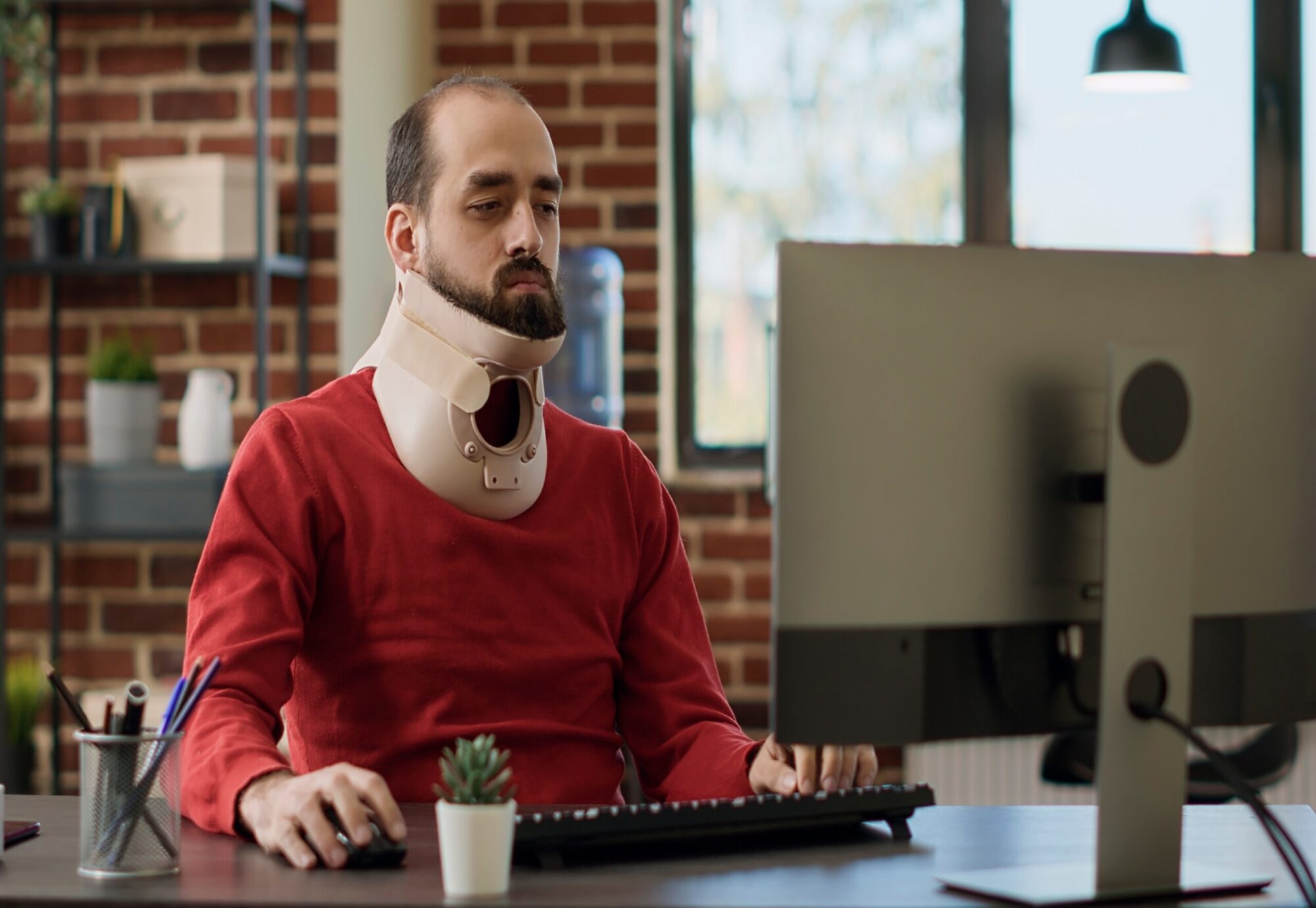
Every workplace, whether it’s an office, warehouse, construction site, manufacturing facility, or healthcare setting, carries some level of injury risk. From minor cuts and sprains to serious fractures and back injuries, workplace accidents can happen unexpectedly. Receiving prompt workplace injury treatment is essential to minimize complications, reduce downtime, and help employees safely return to their jobs.
At SCC Midland, we understand how important timely medical attention is after a workplace injury. Our experienced healthcare professionals provide comprehensive occupational health services, helping both employees and employers navigate injury care efficiently while supporting faster recovery.
What Is Workplace Injury Treatment?
Workplace injury treatment refers to the medical evaluation, diagnosis, treatment, and rehabilitation of injuries that occur while performing work-related duties. Immediate medical attention not only improves recovery outcomes but also ensures proper documentation for workers’ compensation claims and return-to-work planning.
Treatment may involve:
- Physical examinations
- Diagnostic imaging (X-rays when necessary)
- Wound care
- Splinting and casting
- Pain management
- Physical therapy recommendations
- Return-to-work evaluations
- Follow-up care
Prompt treatment helps prevent minor injuries from becoming long-term health problems.
Common Workplace Injuries
Employees across different industries experience a wide range of injuries. Some of the most common include:
1. Sprains and Strains
Heavy lifting, repetitive movements, or awkward body positions often lead to muscle strains and ligament sprains. These injuries commonly affect the back, shoulders, wrists, and knees.
2. Cuts and Lacerations
Workers using machinery, tools, or sharp equipment may suffer cuts requiring cleaning, stitches, or infection prevention.
3. Fractures
Falls, equipment accidents, and heavy object impacts can result in broken bones that require immediate medical evaluation.
4. Back Injuries
Back pain remains one of the leading causes of missed workdays. Improper lifting techniques and repetitive bending contribute significantly to workplace injuries.
5. Burns
Employees working around chemicals, electricity, or high temperatures may sustain thermal or chemical burns requiring specialized care.
6. Head Injuries
Falls or struck-by incidents may lead to concussions or other traumatic injuries that require urgent evaluation.
7. Repetitive Stress Injuries
Typing, assembly line work, and repetitive hand movements may cause conditions such as carpal tunnel syndrome or tendonitis.
Why Immediate Workplace Injury Treatment Matters
Seeking medical attention immediately after an accident provides several important benefits:
- Prevents complications
- Reduces long-term disability risks
- Supports faster healing
- Minimizes missed workdays
- Creates accurate medical documentation
- Helps with workers’ compensation claims
- Ensures safe return-to-work planning
Ignoring even a seemingly minor injury may result in chronic pain or permanent damage.
What Happens During Your Medical Evaluation?
When visiting SCC Midland for workplace injury treatment, healthcare providers typically perform:
1. Medical History
The provider will ask:
- How the injury occurred
- When symptoms began
- Previous injuries
- Current pain level
- Job responsibilities
2. Physical Examination
A complete examination helps determine:
- Range of motion
- Swelling
- Bruising
- Tenderness
- Nerve involvement
- Joint stability
3. Diagnostic Testing
Depending on the injury, providers may recommend:
- X-rays
- Laboratory tests
- Specialist referrals
- Additional imaging if necessary
This thorough evaluation ensures an accurate diagnosis and effective treatment plan.
Treatment Options for Workplace Injuries
Treatment varies depending on the severity and type of injury.
1. Wound Care
For cuts and abrasions, treatment may include:
- Cleaning the wound
- Stitches
- Bandaging
- Tetanus vaccination if needed
- Infection prevention
2. Pain Management
Pain relief may include:
- Anti-inflammatory medications
- Ice therapy
- Compression
- Elevation
- Rest recommendations
3. Splinting and Bracing
Broken bones, sprains, and joint injuries often benefit from braces, slings, or splints that stabilize injured areas during healing.
4. Physical Therapy
Many injuries require rehabilitation exercises to restore:
- Strength
- Flexibility
- Mobility
- Balance
Physical therapy also reduces the risk of future injuries.
5. Return-to-Work Evaluations
Healthcare providers assess whether employees can:
- Return with no restrictions
- Return with modified duties
- Require additional recovery time
These evaluations help protect both employees and employers.
Workplace Injury Prevention Tips
While accidents cannot always be prevented, following proper safety measures significantly reduces risks.
1. Lift Properly
Use your legs rather than your back when lifting heavy objects.
2. Wear Protective Equipment
Always use:
- Gloves
- Safety glasses
- Helmets
- Steel-toe boots
- Hearing protection
3. Maintain Good Ergonomics
Office workers should:
- Adjust chair height
- Position monitors correctly
- Use ergonomic keyboards
- Take regular breaks
4. Report Hazards
Unsafe conditions should be reported immediately before accidents occur.
5. Follow Safety Procedures
Employers provide safety protocols for a reason. Following them protects everyone.
Recovery After a Workplace Injury
Recovery doesn’t stop after the initial appointment. Successful healing requires following medical advice carefully.
Patients should:
- Attend follow-up appointments
- Complete prescribed physical therapy
- Take medications as directed
- Avoid activities that worsen symptoms
- Communicate with employers regarding work restrictions
Returning to work too early may delay healing and increase the risk of reinjury.
Workers’ Compensation and Workplace Injury Treatment
Most work-related injuries qualify for workers’ compensation benefits, depending on state laws and employer coverage.
Medical documentation is critical because it helps establish:
- The cause of injury
- Severity
- Treatment provided
- Recovery timeline
- Work restrictions
Timely evaluation at SCC Midland helps ensure proper documentation for workers’ compensation cases while focusing on the patient’s health and recovery.
Why Choose SCC Midland?
When you need reliable workplace injury treatment, choosing the right healthcare provider makes all the difference.
At SCC Midland, patients receive:
- Experienced medical providers
- Same-day walk-in care
- Occupational health services
- Workers’ compensation evaluations
- Fast diagnosis and treatment
- Compassionate patient-centered care
- Return-to-work assessments
- Convenient scheduling
- Comprehensive follow-up care
Our goal is to help injured employees recover quickly while minimizing disruptions to their work and daily lives.
Conclusion
A workplace injury can happen in any industry, but receiving prompt workplace injury treatment can significantly improve recovery and reduce long-term complications. Whether you’ve experienced a minor cut, muscle strain, fracture, or repetitive stress injury, early diagnosis and proper medical care are essential.
At SCC Midland, we’re committed to providing comprehensive occupational healthcare services designed to help employees recover safely and return to work with confidence. Don’t ignore workplace injuries—early treatment is the key to better health, faster healing, and long-term well-being.
Frequently Asked Questions (FAQs)
1. What should I do immediately after a workplace injury?
Report the injury to your supervisor, seek immediate medical attention, and follow your employer’s workplace injury reporting procedures.
2. What types of injuries are considered workplace injuries?
Sprains, fractures, cuts, burns, repetitive stress injuries, back injuries, head injuries, and work-related illnesses are all common workplace injuries.
3. Can I visit SCC Midland for workplace injury treatment?
Yes. SCC Midland provides evaluation, diagnosis, treatment, occupational health services, and return-to-work assessments for many work-related injuries.
4. Do I need a referral for workplace injury treatment?
In most cases, no. Walk-in urgent care services are available for many workplace injuries, though employer policies may vary.
5. How long does recovery take after a workplace injury?
Recovery depends on the severity of the injury. Minor injuries may heal within days or weeks, while fractures or serious musculoskeletal injuries can take several months.
6. Does workplace injury treatment include workers’ compensation documentation?
Yes. Medical providers can document your injury, treatment plan, work restrictions, and recovery progress to support workers’ compensation claims when applicable.
Don’t let a workplace injury slow you down. Visit SCC Midland today for fast, professional workplace injury treatment. Our experienced medical team is ready to provide expert evaluation, effective treatment, occupational health services, and return-to-work assessments. Walk in today or contact us to receive the quality care you deserve.
✅ Visit SCC Midland today for prompt and professional workplace injury treatment tailored to your recovery needs.
✅ Fast walk-in appointments, compassionate healthcare providers, and comprehensive occupational injury care—all in one convenient location.
✅ Get back to work safely with expert diagnosis, personalized treatment, and return-to-work evaluations from SCC Midland.
✅ Visit us https://sccmidland.com/workers-comp/ today for immediate medical attention after a workplace injury and experience high-quality urgent care services.
✅ Contact us at (432) 599-9580 now to schedule your workplace injury evaluation or walk in for same-day treatment. Our dedicated team is here to help you recover quickly and safely.